Buy passion-for-excellence.com ?
We are moving the project
passion-for-excellence.com .
Are you interested in purchasing the domain
passion-for-excellence.com ?
domain@kv-gmbh.de · 0541-91531010
Buy passion-for-excellence.com ?
How do you remove floor tiles under wall tiles?
To remove floor tiles under wall tiles, you will need to carefully chip away at the grout and mortar around the edges of the floor tiles using a chisel and hammer. Once the grout and mortar are loosened, you can carefully pry up the floor tiles using the chisel and hammer. Be sure to work slowly and carefully to avoid damaging the wall tiles. After the floor tiles are removed, you may need to clean and smooth the surface before installing new tiles. **
Can floor tiles also be installed on the wall and wall tiles on the floor?
Yes, floor tiles can be installed on the wall and wall tiles can be installed on the floor. However, it is important to consider the specific characteristics of the tiles and the intended use. For example, floor tiles are typically more durable and slip-resistant, making them suitable for use on walls in areas such as bathrooms or kitchens. On the other hand, wall tiles may be less durable and not designed to withstand the weight and foot traffic of a floor, but they can still be used on the floor in low-traffic areas such as a decorative accent or in a small space. It is important to consult with a professional to ensure that the tiles are suitable for the intended use and properly installed. **
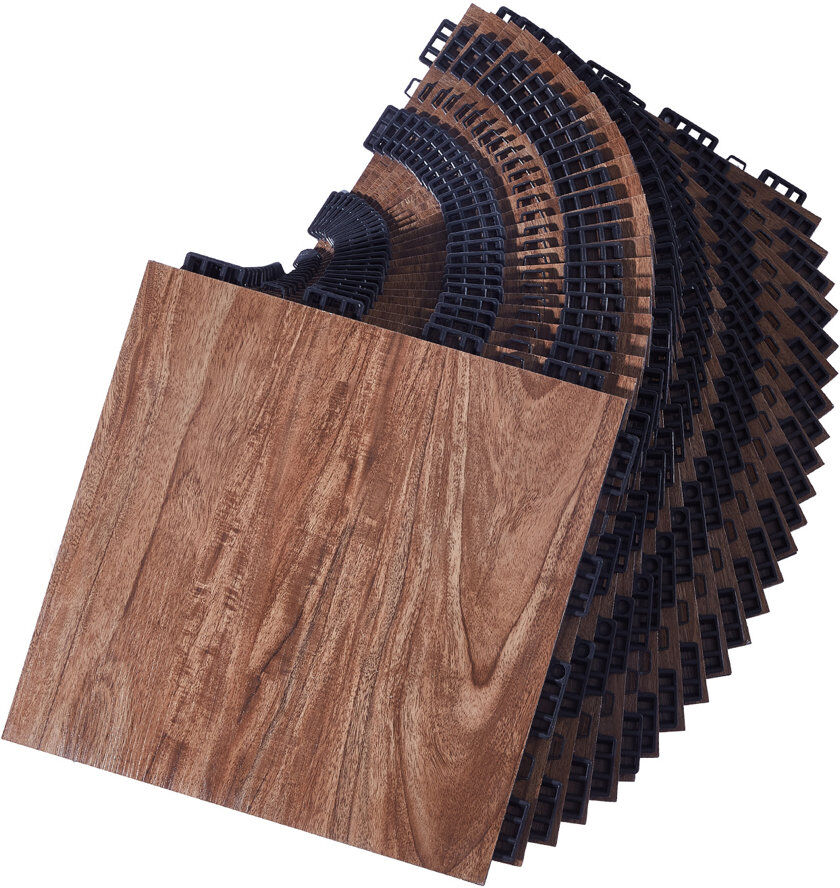
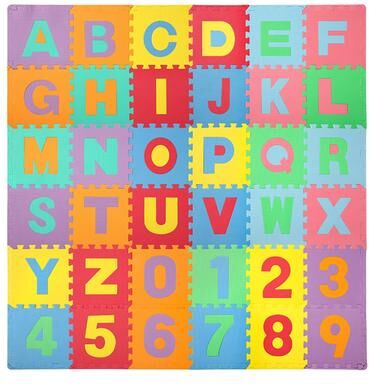
Similar search terms for VEVOR-Dance-Floor-Tiles
Top-Angebote
Products related to VEVOR-Dance-Floor-Tiles:
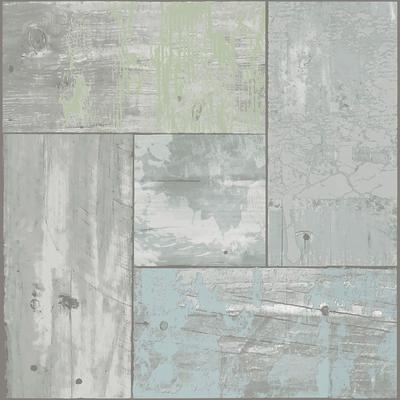
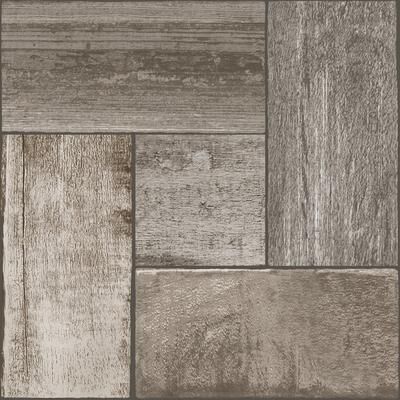


-
Is there asbestos in floor tiles?
Asbestos was commonly used in floor tiles in the past due to its durability and fire-resistant properties. However, asbestos-containing floor tiles have been banned in many countries due to the health risks associated with asbestos exposure. If you suspect that your floor tiles contain asbestos, it is important to have them tested by a professional before attempting any renovations or removal. **
-
How can one make floor tiles themselves?
To make floor tiles yourself, you will need to gather materials such as clay, water, and a mold. Start by mixing the clay and water to form a smooth paste, then pour the mixture into the mold and let it dry. Once the tile has dried, it can be fired in a kiln to harden and strengthen it. Finally, the tile can be glazed and fired again to achieve the desired finish. **
-
What about the greasy floor tiles now?
The greasy floor tiles have been thoroughly cleaned and degreased to ensure they are no longer slippery or hazardous. Regular maintenance and cleaning procedures will be implemented to prevent the tiles from becoming greasy again in the future. It is important to prioritize safety in the workplace by keeping all surfaces clean and free of potential hazards like grease. **
-
Can you glue floor tiles with silicone?
No, it is not recommended to glue floor tiles with silicone. Silicone is not a strong enough adhesive to securely hold floor tiles in place, especially in high-traffic areas. It is better to use a specialized tile adhesive that is designed for floor installations to ensure a long-lasting and durable bond. **


How can cracked floor tiles be repaired?
Cracked floor tiles can be repaired by first removing the grout around the damaged tile. Then, carefully remove the cracked tile using a chisel and hammer. Clean the area thoroughly and apply new adhesive to the back of the replacement tile. Press the new tile into place and allow the adhesive to dry. Finally, reapply grout around the new tile to complete the repair. **
Can wall tiles also be used for the floor?
Yes, wall tiles can also be used for the floor, but it is important to consider their durability and slip resistance. Wall tiles are typically not as durable as floor tiles and may not be able to withstand the weight and traffic that a floor tile needs to endure. Additionally, wall tiles may be more slippery than floor tiles, so it is important to choose a wall tile that has a textured surface or a higher slip resistance rating if using it for the floor. It is always best to consult with a professional to ensure that the chosen wall tile is suitable for use on the floor. **
Top-Angebote
Products related to VEVOR-Dance-Floor-Tiles:
-
VEVOR Dance Floor Tiles, 12.4 x 12.4 in Interlocking Dance Flooring, Portable Dance Practice Floor with Cushioned Base (Oak Wood Grain, 25 sq. ft/Box ) BrownCreate the Perfect Training Environment:Our gym floor mats are crafted from high-quality materials, with excellent durability, anti-slip, and noise-reduction properties, they protect your joints and help you stay focused during workouts. Choose our gym mats to add safety and comfort to your fitness journey! VEVOR99,99 £*Shipping: 0,00 £Secure redirect to the provider
-
Easy Playhouse Soft Foam Floor Puzzle Tiles for Kids - 36 EVA TilesCreate a safe and vibrant play area with The Easy Playhouse Puzzle Floor Mat! This set includes 36 interlocking foam tiles and 24 border pieces, forming a 6ft x 6ft soft play zone.51,99 $*Shipping: 0,00 $Secure redirect to the provider
-
How do you remove floor tiles under wall tiles?
To remove floor tiles under wall tiles, you will need to carefully chip away at the grout and mortar around the edges of the floor tiles using a chisel and hammer. Once the grout and mortar are loosened, you can carefully pry up the floor tiles using the chisel and hammer. Be sure to work slowly and carefully to avoid damaging the wall tiles. After the floor tiles are removed, you may need to clean and smooth the surface before installing new tiles. **
-
Can floor tiles also be installed on the wall and wall tiles on the floor?
Yes, floor tiles can be installed on the wall and wall tiles can be installed on the floor. However, it is important to consider the specific characteristics of the tiles and the intended use. For example, floor tiles are typically more durable and slip-resistant, making them suitable for use on walls in areas such as bathrooms or kitchens. On the other hand, wall tiles may be less durable and not designed to withstand the weight and foot traffic of a floor, but they can still be used on the floor in low-traffic areas such as a decorative accent or in a small space. It is important to consult with a professional to ensure that the tiles are suitable for the intended use and properly installed. **
-
Is there asbestos in floor tiles?
Asbestos was commonly used in floor tiles in the past due to its durability and fire-resistant properties. However, asbestos-containing floor tiles have been banned in many countries due to the health risks associated with asbestos exposure. If you suspect that your floor tiles contain asbestos, it is important to have them tested by a professional before attempting any renovations or removal. **
-
How can one make floor tiles themselves?
To make floor tiles yourself, you will need to gather materials such as clay, water, and a mold. Start by mixing the clay and water to form a smooth paste, then pour the mixture into the mold and let it dry. Once the tile has dried, it can be fired in a kiln to harden and strengthen it. Finally, the tile can be glazed and fired again to achieve the desired finish. **
Similar search terms for VEVOR-Dance-Floor-Tiles
-
What about the greasy floor tiles now?
The greasy floor tiles have been thoroughly cleaned and degreased to ensure they are no longer slippery or hazardous. Regular maintenance and cleaning procedures will be implemented to prevent the tiles from becoming greasy again in the future. It is important to prioritize safety in the workplace by keeping all surfaces clean and free of potential hazards like grease. **
-
Can you glue floor tiles with silicone?
No, it is not recommended to glue floor tiles with silicone. Silicone is not a strong enough adhesive to securely hold floor tiles in place, especially in high-traffic areas. It is better to use a specialized tile adhesive that is designed for floor installations to ensure a long-lasting and durable bond. **
-
How can cracked floor tiles be repaired?
Cracked floor tiles can be repaired by first removing the grout around the damaged tile. Then, carefully remove the cracked tile using a chisel and hammer. Clean the area thoroughly and apply new adhesive to the back of the replacement tile. Press the new tile into place and allow the adhesive to dry. Finally, reapply grout around the new tile to complete the repair. **
-
Can wall tiles also be used for the floor?
Yes, wall tiles can also be used for the floor, but it is important to consider their durability and slip resistance. Wall tiles are typically not as durable as floor tiles and may not be able to withstand the weight and traffic that a floor tile needs to endure. Additionally, wall tiles may be more slippery than floor tiles, so it is important to choose a wall tile that has a textured surface or a higher slip resistance rating if using it for the floor. It is always best to consult with a professional to ensure that the chosen wall tile is suitable for use on the floor. **
* All prices are inclusive of VAT and, if applicable, plus shipping costs. The offer information is based on the details provided by the respective shop and is updated through automated processes. Real-time updates do not occur, so deviations can occur in individual cases. ** Note: Parts of this content were created by AI.