Buy passion-for-excellence.com ?
We are moving the project
passion-for-excellence.com .
Are you interested in purchasing the domain
passion-for-excellence.com ?
domain@kv-gmbh.de · 0541-91531010
Buy passion-for-excellence.com ?
How can the similarity factor for determining the similarity of triangles be calculated?
The similarity factor for determining the similarity of triangles can be calculated by comparing the corresponding sides of the two triangles. If the ratio of the lengths of the corresponding sides of the two triangles is the same, then the triangles are similar. This ratio can be calculated by dividing the length of one side of a triangle by the length of the corresponding side of the other triangle. If all three ratios of corresponding sides are equal, then the triangles are similar. This is known as the similarity factor and is used to determine the similarity of triangles. **
What are similarity ratios?
Similarity ratios are ratios that compare the corresponding sides of two similar figures. They help us understand the relationship between the sides of similar shapes. The ratio of corresponding sides in similar figures is always the same, which means that if you know the ratio of one pair of sides, you can use it to find the ratio of other pairs of sides. Similarity ratios are important in geometry and are used to solve problems involving similar figures. **
Similar search terms for Similarity
Top-Angebote
Products related to Similarity:
-
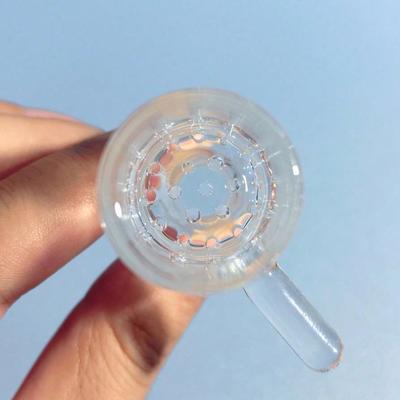
Retailers Go Honeycomb Glass Bowl, Transparent, Handmade, Unique Craftsmanship, Perfect For Your Smoking Collection Honeycomb Glass Bowl, Transparent, Handmade, Unique Craftsmanship, Perfect For Your Smoking CollectionIntroducing the 14mm(0.5512 inches)approx Transparent Handmade Glass Bowl, a beautifully crafted piece that combines stunning aesthetics with unmatched functionality. Perfect for any smoking enthusiast, this unique honeycomb glass bowl is designed...66,97 $*Shipping: 0,00 $Secure redirect to the provider
-
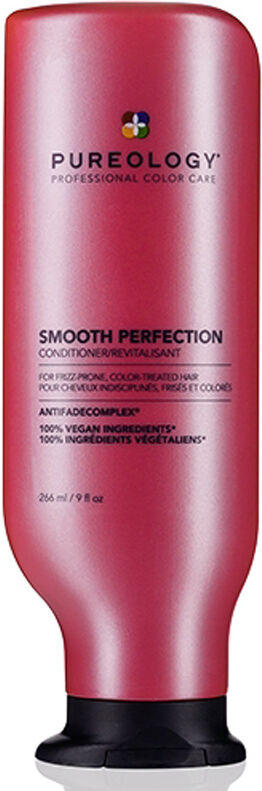
Pureology Smooth Perfection Conditioner 266mlTame frizz and restore hair manageability with the incredible Smooth Perfection Conditioner. Specially formulated, this vegan Pureology hair-care hero powerfully nourishes and hydrates every strand for beautifully soft results. Ideal for frizz-prone colour-treated hair. Ingredients Aqua / Water / Eaucetearyl Alcoholglycerinbehentrimonium Chloridecetyl Estersisopropyl Myristatequaternium-80propylene Glycolparfum / Fragrancepolysorbate 20isopropyl Alcoholphenoxyethanolpolyquaternium-37propylene Glycol Dicaprylate/Dicapratetocopherolsesamum Indicum Seed Oil / Sesame Seed Oilbutyrospermum Parkii Butter / Shea Buttercamellia Oleifera Seed Oilbutylene Glycoldilauryl Thiodipropionatehelianthus Annuus Seed Extract / Sunflower Seed Extractppg-1 Trideceth-6hydrolyzed Vegetable Protein Pg-Propyl Silanetriolcitric Acid Pelargonium Graveolens Flower Oilascorbic Acidbenzophenone-4sorbitan Oleatepotassium Sorbate.24,40 £*Shipping: 0,00 £Secure redirect to the provider
-
HARPERCOLLINS Creative Confidence by Tom & David Kelley – Unleashing Your Creative Potential & Innovation MindsetA powerful and inspiring book from the founders of IDEO, the award-winning design firm, on unleashing the creativity that lies within each and every one of us. Too often, companies and individuals assume that creativity and innovation are the domain of the ‘creative types’. But two of the foremost experts in innovation, design and creativity on the planet show us that each and every one of us is creative. In an entertaining and inspiring narrative that draws on countless stories from their work at IDEO, and with many of the world's top companies and design firms, David and Tom Kelley identify the principles and strategies that will allow us to tap into our creative potential in our work lives, and in our personal lives, allow us to think outside the box in terms of how we approach and solve problems. ‘Creative Confidence’ is a book that will help each of us be more productive and successful in our lives and in our careers.4,95 £*Shipping: 1,99 £Secure redirect to the provider


-
What is the difference between similarity theorem 1 and similarity theorem 2?
Similarity theorem 1, also known as the Angle-Angle (AA) similarity theorem, states that if two angles of one triangle are congruent to two angles of another triangle, then the triangles are similar. On the other hand, similarity theorem 2, also known as the Side-Angle-Side (SAS) similarity theorem, states that if two sides of one triangle are proportional to two sides of another triangle and the included angles are congruent, then the triangles are similar. The main difference between the two theorems is the criteria for establishing similarity - AA theorem focuses on angle congruence, while SAS theorem focuses on both side proportionality and angle congruence. **
-
How can one calculate the similarity factor to determine the similarity of triangles?
The similarity factor can be calculated by comparing the corresponding sides of two triangles. To do this, one can divide the length of one side of the first triangle by the length of the corresponding side of the second triangle. This process is repeated for all three pairs of corresponding sides. If the ratios of the corresponding sides are equal, then the triangles are similar, and the similarity factor will be 1. If the ratios are not equal, the similarity factor will be the ratio of the two triangles' areas. **
-
What is a task for math similarity?
A task for math similarity could be to determine if two shapes are similar by comparing their corresponding angles and side lengths. This could involve calculating the scale factor between the two shapes and using it to determine if they are proportional. Another task could be to use similarity to find the missing side lengths or angles of a triangle or other polygon. Additionally, students could be asked to use similarity to solve real-world problems, such as finding the height of a building using the shadow of a similar object and the angle of elevation. **
-
What is the similarity ratio?
The similarity ratio is a comparison of the corresponding sides of two similar figures. It is used to determine how the dimensions of one figure compare to the dimensions of another figure when they are similar. The ratio is calculated by dividing the length of a side of one figure by the length of the corresponding side of the other figure. This ratio remains constant for all pairs of corresponding sides in similar figures. **


What is similarity in mathematics?
In mathematics, similarity refers to the relationship between two objects or shapes that have the same shape but are not necessarily the same size. This means that the objects are proportional to each other, with corresponding angles being equal and corresponding sides being in the same ratio. Similarity is often used in geometry to compare and analyze shapes, allowing for the transfer of properties and measurements from one shape to another. **
Do you see the similarity?
Yes, I see the similarity between the two concepts. Both share common characteristics and features that make them comparable. The similarities can be observed in their structure, function, and behavior. These similarities help in understanding and drawing parallels between the two concepts. **
Top-Angebote
Products related to Similarity:
-
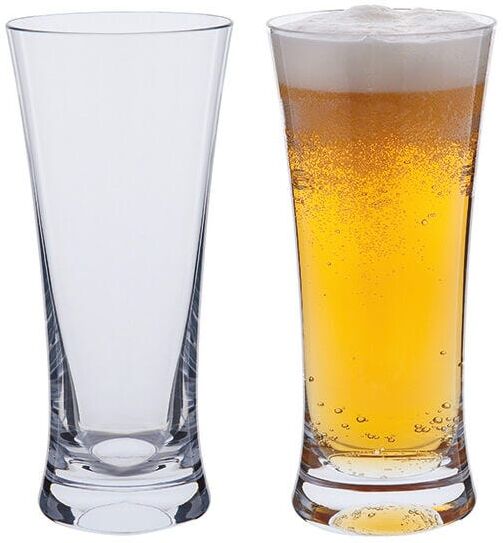
Dartington Bar Excellence Set Of 2 Beer GlassesElevate your beer-drinking experience with this exquisite set of two Dartington Bar Excellence Beer Glasses. Crafted with precision in Britain, these handmade crystal glasses stand at an elegant 182mm height and boast a generous 440ml capacity, ideal for savoring your preferred lagers, ales, and ciders. Whether it's a special occasion or a casual gathering, these glasses are designed to enhance the flavors and aromas of your chilled beverages. Indulge in the perfect combination of style and functionality with these exceptional beer glasses.50,00 £*Shipping: 0,00 £Secure redirect to the provider
-
Retailers Go Honeycomb Glass Bowl, Transparent, Handmade, Unique Craftsmanship, Perfect For Your Smoking Collection Honeycomb Glass Bowl, Transparent, Handmade, Unique Craftsmanship, Perfect For Your Smoking CollectionIntroducing the 14mm(0.5512 inches)approx Transparent Handmade Glass Bowl, a beautifully crafted piece that combines stunning aesthetics with unmatched functionality. Perfect for any smoking enthusiast, this unique honeycomb glass bowl is designed...66,97 $*Shipping: 0,00 $Secure redirect to the provider
-
How can the similarity factor for determining the similarity of triangles be calculated?
The similarity factor for determining the similarity of triangles can be calculated by comparing the corresponding sides of the two triangles. If the ratio of the lengths of the corresponding sides of the two triangles is the same, then the triangles are similar. This ratio can be calculated by dividing the length of one side of a triangle by the length of the corresponding side of the other triangle. If all three ratios of corresponding sides are equal, then the triangles are similar. This is known as the similarity factor and is used to determine the similarity of triangles. **
-
What are similarity ratios?
Similarity ratios are ratios that compare the corresponding sides of two similar figures. They help us understand the relationship between the sides of similar shapes. The ratio of corresponding sides in similar figures is always the same, which means that if you know the ratio of one pair of sides, you can use it to find the ratio of other pairs of sides. Similarity ratios are important in geometry and are used to solve problems involving similar figures. **
-
What is the difference between similarity theorem 1 and similarity theorem 2?
Similarity theorem 1, also known as the Angle-Angle (AA) similarity theorem, states that if two angles of one triangle are congruent to two angles of another triangle, then the triangles are similar. On the other hand, similarity theorem 2, also known as the Side-Angle-Side (SAS) similarity theorem, states that if two sides of one triangle are proportional to two sides of another triangle and the included angles are congruent, then the triangles are similar. The main difference between the two theorems is the criteria for establishing similarity - AA theorem focuses on angle congruence, while SAS theorem focuses on both side proportionality and angle congruence. **
-
How can one calculate the similarity factor to determine the similarity of triangles?
The similarity factor can be calculated by comparing the corresponding sides of two triangles. To do this, one can divide the length of one side of the first triangle by the length of the corresponding side of the second triangle. This process is repeated for all three pairs of corresponding sides. If the ratios of the corresponding sides are equal, then the triangles are similar, and the similarity factor will be 1. If the ratios are not equal, the similarity factor will be the ratio of the two triangles' areas. **
Similar search terms for Similarity
-
Pureology Smooth Perfection Conditioner 266mlTame frizz and restore hair manageability with the incredible Smooth Perfection Conditioner. Specially formulated, this vegan Pureology hair-care hero powerfully nourishes and hydrates every strand for beautifully soft results. Ideal for frizz-prone colour-treated hair. Ingredients Aqua / Water / Eaucetearyl Alcoholglycerinbehentrimonium Chloridecetyl Estersisopropyl Myristatequaternium-80propylene Glycolparfum / Fragrancepolysorbate 20isopropyl Alcoholphenoxyethanolpolyquaternium-37propylene Glycol Dicaprylate/Dicapratetocopherolsesamum Indicum Seed Oil / Sesame Seed Oilbutyrospermum Parkii Butter / Shea Buttercamellia Oleifera Seed Oilbutylene Glycoldilauryl Thiodipropionatehelianthus Annuus Seed Extract / Sunflower Seed Extractppg-1 Trideceth-6hydrolyzed Vegetable Protein Pg-Propyl Silanetriolcitric Acid Pelargonium Graveolens Flower Oilascorbic Acidbenzophenone-4sorbitan Oleatepotassium Sorbate.24,40 £*Shipping: 0,00 £Secure redirect to the provider
-
HARPERCOLLINS Creative Confidence by Tom & David Kelley – Unleashing Your Creative Potential & Innovation MindsetA powerful and inspiring book from the founders of IDEO, the award-winning design firm, on unleashing the creativity that lies within each and every one of us. Too often, companies and individuals assume that creativity and innovation are the domain of the ‘creative types’. But two of the foremost experts in innovation, design and creativity on the planet show us that each and every one of us is creative. In an entertaining and inspiring narrative that draws on countless stories from their work at IDEO, and with many of the world's top companies and design firms, David and Tom Kelley identify the principles and strategies that will allow us to tap into our creative potential in our work lives, and in our personal lives, allow us to think outside the box in terms of how we approach and solve problems. ‘Creative Confidence’ is a book that will help each of us be more productive and successful in our lives and in our careers.4,95 £*Shipping: 1,99 £Secure redirect to the provider
-
Sagebrook Home Hennie Black & White Glass Vase CraftsmanshipElevate your space with the essence of elegance through Sagebrook Home's exquisite glass vase. Expertly crafted from the finest materials, this delicate piece is a testament to timeless beauty, poised to enhance any bouquet.75,99 $*Shipping: 0,00 $Secure redirect to the provider
-
Pureology Smooth Perfection Conditioner 266ml DoubleStock up and save on your favourite Pureology conditioner with this great-value set, containing: 2 x Smooth Perfection Conditioner 266ml The Smooth Perfection Conditioner works to tame frizz and restore hair manageability. Specially formulated, this vegan Pureology hair-care hero powerfully nourishes and hydrates every strand for beautifully soft locks. Ideal for frizz-prone colour-treated hair. Ingredients - new & improved formula Aqua / Water / Eaucetearyl Alcoholglycerinbehentrimonium Chloridecetyl Estersisopropyl Myristatequaternium-80propylene Glycolparfum / Fragrancepolysorbate 20isopropyl Alcoholphenoxyethanolpolyquaternium-37propylene Glycol Dicaprylate/Dicapratetocopherolsesamum Indicum Seed Oil / Sesame Seed Oilbutyrospermum Parkii Butter / Shea Buttercamellia Oleifera Seed Oilbutylene Glycoldilauryl Thiodipropionatehelianthus Annuus Seed Extract / Sunflower Seed Extractppg-1 Trideceth-6hydrolyzed Vegetable Protein Pg-Propyl Silanetriolcitric Acid Pelargonium Graveolens Flower Oilascorbic Acidbenzophenone-4sorbitan Oleatepotassium Sorbate.45,75 £*Shipping: 0,00 £Secure redirect to the provider
-
What is a task for math similarity?
A task for math similarity could be to determine if two shapes are similar by comparing their corresponding angles and side lengths. This could involve calculating the scale factor between the two shapes and using it to determine if they are proportional. Another task could be to use similarity to find the missing side lengths or angles of a triangle or other polygon. Additionally, students could be asked to use similarity to solve real-world problems, such as finding the height of a building using the shadow of a similar object and the angle of elevation. **
-
What is the similarity ratio?
The similarity ratio is a comparison of the corresponding sides of two similar figures. It is used to determine how the dimensions of one figure compare to the dimensions of another figure when they are similar. The ratio is calculated by dividing the length of a side of one figure by the length of the corresponding side of the other figure. This ratio remains constant for all pairs of corresponding sides in similar figures. **
-
What is similarity in mathematics?
In mathematics, similarity refers to the relationship between two objects or shapes that have the same shape but are not necessarily the same size. This means that the objects are proportional to each other, with corresponding angles being equal and corresponding sides being in the same ratio. Similarity is often used in geometry to compare and analyze shapes, allowing for the transfer of properties and measurements from one shape to another. **
-
Do you see the similarity?
Yes, I see the similarity between the two concepts. Both share common characteristics and features that make them comparable. The similarities can be observed in their structure, function, and behavior. These similarities help in understanding and drawing parallels between the two concepts. **
* All prices are inclusive of VAT and, if applicable, plus shipping costs. The offer information is based on the details provided by the respective shop and is updated through automated processes. Real-time updates do not occur, so deviations can occur in individual cases. ** Note: Parts of this content were created by AI.