Buy passion-for-excellence.com ?
We are moving the project
passion-for-excellence.com .
Are you interested in purchasing the domain
passion-for-excellence.com ?
domain@kv-gmbh.de · 0541-91531010
Buy passion-for-excellence.com ?
What is recycling called?
Recycling is the process of converting waste materials into new products to prevent the waste of potentially useful materials, reduce the consumption of fresh raw materials, and decrease energy usage. **
What is parquet recycling?
Parquet recycling is the process of reusing and repurposing old parquet flooring instead of disposing of it in a landfill. This can involve salvaging the wood from old parquet floors and using it to create new flooring, furniture, or other wood products. Parquet recycling helps to reduce waste and minimize the environmental impact of flooring materials by giving new life to old wood. It also allows for the preservation of the unique patterns and designs found in parquet flooring. **
Similar search terms for Scholastic-Recycling-Conservation-Pattern
Top-Angebote
Products related to Scholastic-Recycling-Conservation-Pattern:
-
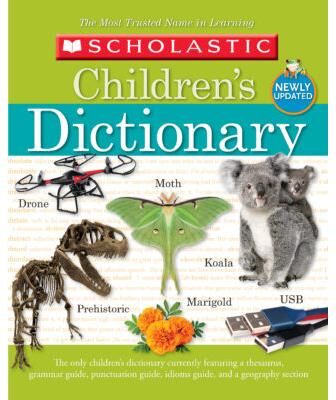
Scholastic Reference Scholastic Children's Dictionary (2019) (Hardcover) - ScholasticScholastic's trusted Children's Dictionary is back and bursting with up-to-date information on contemporary technological, scientific, and cultural terms, hundreds of new words, and in-depth sidebars featuring bold, colorful images. Featuring more...21,99 $*Shipping: 0,00 $Secure redirect to the provider


-
What is the difference between energy conservation and momentum conservation?
Energy conservation refers to the principle that the total energy in a closed system remains constant over time, meaning energy cannot be created or destroyed, only transferred or converted. Momentum conservation, on the other hand, states that the total momentum of a closed system remains constant if no external forces are acting on it. While energy conservation focuses on the total energy of a system, momentum conservation focuses on the total momentum of a system. Both principles are fundamental in understanding and analyzing physical systems, but they address different aspects of motion and energy transfer. **
-
What does the symbol for recycling mean?
The symbol for recycling consists of three arrows that form a triangle, with each arrow pointing in a clockwise direction. This symbol represents the concept of recycling, which involves the process of collecting, sorting, and reprocessing materials to be used again. It is a universal symbol that signifies sustainability, environmental awareness, and the importance of reducing waste by reusing resources. **
-
What are ideas for recycling at school?
1. Implement a school-wide recycling program by placing recycling bins in every classroom and common areas for paper, plastic, and aluminum. 2. Encourage students to bring reusable water bottles and lunch containers to reduce single-use plastic waste. 3. Organize a used clothing and book swap to promote reusing and reducing waste. 4. Start a composting program for food waste from the cafeteria and classroom snacks. 5. Host a recycling competition among different grade levels to see who can collect the most recyclable materials. **
-
Are zoos necessary for species conservation?
Zoos can play a role in species conservation by participating in breeding programs for endangered species and educating the public about conservation efforts. However, some argue that the resources spent on maintaining zoos could be better used for protecting animals in their natural habitats. Ultimately, the necessity of zoos for species conservation depends on the specific goals and practices of each individual zoo, as well as the effectiveness of their conservation efforts. **

What are tasks for energy conservation?
Tasks for energy conservation include reducing energy consumption by turning off lights and electronics when not in use, using energy-efficient appliances and light bulbs, improving insulation and sealing air leaks in buildings, and using renewable energy sources such as solar or wind power. Additionally, practicing energy-saving habits such as adjusting thermostats, using natural light, and minimizing water usage can also contribute to energy conservation efforts. Overall, the goal is to reduce energy waste and promote sustainable energy practices to minimize environmental impact and save on energy costs. **
How does plastic recycling work?
Plastic recycling involves collecting used plastic items, sorting them by type and color, cleaning and shredding them into small pieces. These pieces are then melted down and formed into pellets, which can be used to create new plastic products. The process helps to reduce the amount of plastic waste in landfills and minimizes the need for new plastic production, thus conserving resources and reducing environmental impact. **
Top-Angebote
Products related to Scholastic-Recycling-Conservation-Pattern:
-
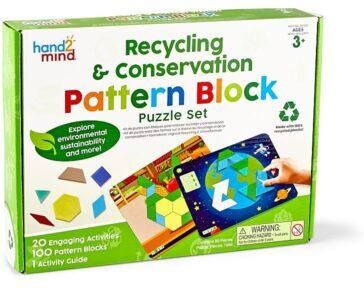
Scholastic Recycling & Conservation Pattern Block Puzzle SetFrom planting flowers to using less water, this set helps children learn the basics of sustainability and our environment. Children complete the 20 engaging activities, and the included Activity Guide provides tips on how to live a more sustainable...24,99 $*Shipping: 0,00 $Secure redirect to the provider
-
What is recycling called?
Recycling is the process of converting waste materials into new products to prevent the waste of potentially useful materials, reduce the consumption of fresh raw materials, and decrease energy usage. **
-
What is parquet recycling?
Parquet recycling is the process of reusing and repurposing old parquet flooring instead of disposing of it in a landfill. This can involve salvaging the wood from old parquet floors and using it to create new flooring, furniture, or other wood products. Parquet recycling helps to reduce waste and minimize the environmental impact of flooring materials by giving new life to old wood. It also allows for the preservation of the unique patterns and designs found in parquet flooring. **
-
What is the difference between energy conservation and momentum conservation?
Energy conservation refers to the principle that the total energy in a closed system remains constant over time, meaning energy cannot be created or destroyed, only transferred or converted. Momentum conservation, on the other hand, states that the total momentum of a closed system remains constant if no external forces are acting on it. While energy conservation focuses on the total energy of a system, momentum conservation focuses on the total momentum of a system. Both principles are fundamental in understanding and analyzing physical systems, but they address different aspects of motion and energy transfer. **
-
What does the symbol for recycling mean?
The symbol for recycling consists of three arrows that form a triangle, with each arrow pointing in a clockwise direction. This symbol represents the concept of recycling, which involves the process of collecting, sorting, and reprocessing materials to be used again. It is a universal symbol that signifies sustainability, environmental awareness, and the importance of reducing waste by reusing resources. **
Similar search terms for Scholastic-Recycling-Conservation-Pattern
-
Scholastic Reference Scholastic Children's Dictionary (2019) (Hardcover) - ScholasticScholastic's trusted Children's Dictionary is back and bursting with up-to-date information on contemporary technological, scientific, and cultural terms, hundreds of new words, and in-depth sidebars featuring bold, colorful images. Featuring more...21,99 $*Shipping: 0,00 $Secure redirect to the provider
-
Scholastic Teaching Resources Scholastic Success With Grade 5 Value PackReinforce key skills with these exciting practice books!This set includes:Scholastic Success With Grade 5: Fractions & DecimalsScholastic Success With Grade 5: GrammarScholastic Success With Grade 5: MathScholastic Success With Grade 5: Math...41,59 $*Shipping: 0,00 $Secure redirect to the provider
-
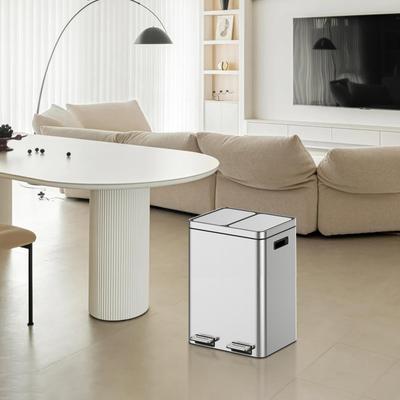
Yun 8/10.6/12/15.9 Gallon Recycling Trash Can, 2 Compartments for Recycling and TrashModern Aesthetic Appeal: The sleek silver finish and minimalist design of the 2 or 3-compartment recycling trash can enhance the visual appeal of your kitchen.100,99 $*Shipping: 0,00 $Secure redirect to the provider
-
What are ideas for recycling at school?
1. Implement a school-wide recycling program by placing recycling bins in every classroom and common areas for paper, plastic, and aluminum. 2. Encourage students to bring reusable water bottles and lunch containers to reduce single-use plastic waste. 3. Organize a used clothing and book swap to promote reusing and reducing waste. 4. Start a composting program for food waste from the cafeteria and classroom snacks. 5. Host a recycling competition among different grade levels to see who can collect the most recyclable materials. **
-
Are zoos necessary for species conservation?
Zoos can play a role in species conservation by participating in breeding programs for endangered species and educating the public about conservation efforts. However, some argue that the resources spent on maintaining zoos could be better used for protecting animals in their natural habitats. Ultimately, the necessity of zoos for species conservation depends on the specific goals and practices of each individual zoo, as well as the effectiveness of their conservation efforts. **
-
What are tasks for energy conservation?
Tasks for energy conservation include reducing energy consumption by turning off lights and electronics when not in use, using energy-efficient appliances and light bulbs, improving insulation and sealing air leaks in buildings, and using renewable energy sources such as solar or wind power. Additionally, practicing energy-saving habits such as adjusting thermostats, using natural light, and minimizing water usage can also contribute to energy conservation efforts. Overall, the goal is to reduce energy waste and promote sustainable energy practices to minimize environmental impact and save on energy costs. **
-
How does plastic recycling work?
Plastic recycling involves collecting used plastic items, sorting them by type and color, cleaning and shredding them into small pieces. These pieces are then melted down and formed into pellets, which can be used to create new plastic products. The process helps to reduce the amount of plastic waste in landfills and minimizes the need for new plastic production, thus conserving resources and reducing environmental impact. **
* All prices are inclusive of VAT and, if applicable, plus shipping costs. The offer information is based on the details provided by the respective shop and is updated through automated processes. Real-time updates do not occur, so deviations can occur in individual cases. ** Note: Parts of this content were created by AI.