Buy passion-for-excellence.com ?
We are moving the project
passion-for-excellence.com .
Are you interested in purchasing the domain
passion-for-excellence.com ?
domain@kv-gmbh.de · 0541-91531010
Buy passion-for-excellence.com ?
What is the difference between polarity and non-polarity?
Polarity refers to the separation of electric charge within a molecule, resulting in a positive and negative end. This creates an uneven distribution of electrons, leading to the molecule having a positive and negative pole. Non-polarity, on the other hand, occurs when there is an equal sharing of electrons between atoms in a molecule, resulting in no separation of charge and no distinct positive or negative poles. This difference in electron distribution affects the physical and chemical properties of substances, such as their solubility and reactivity. **
Can polarity be reversed?
Yes, polarity can be reversed. In the context of magnets, the polarity of a magnet can be reversed by applying a strong enough magnetic field in the opposite direction. In the context of electricity, the polarity of a circuit can be reversed by switching the connections of the positive and negative terminals. In both cases, the reversal of polarity can have significant effects on the behavior and interactions of the objects involved. **

Similar search terms for Polarity
Top-Angebote
Products related to Polarity:
-
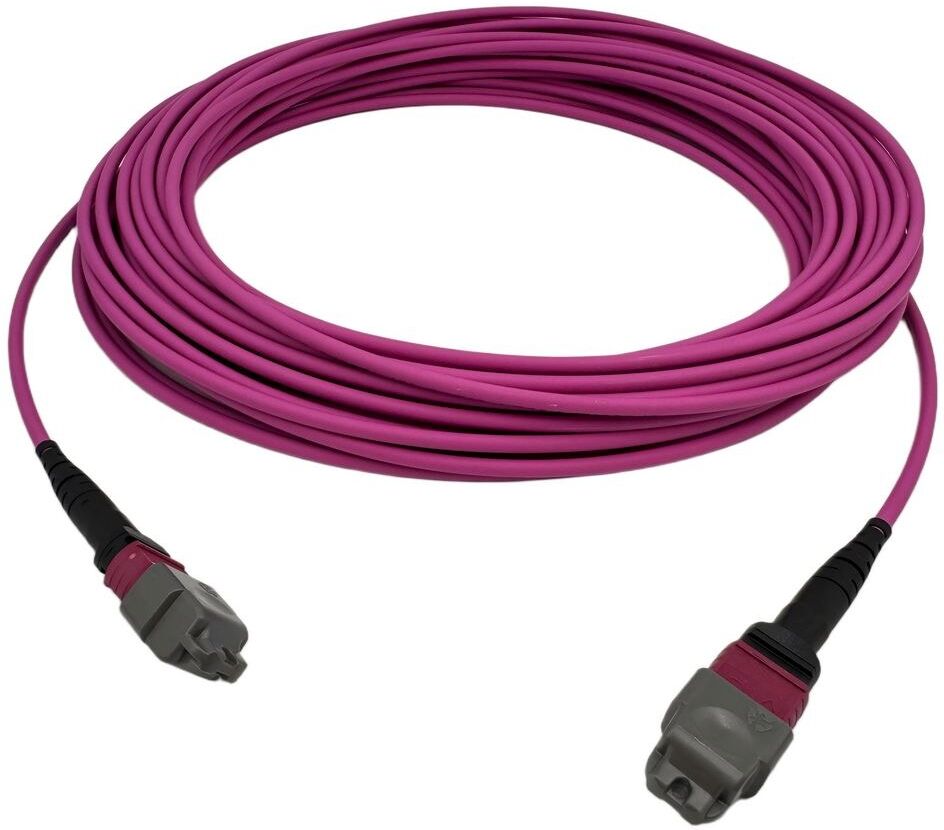
Lanview 12-Core MTP/UPC-MTP/UPC Female OM4 Multimode Fibre Optic Trunk Cable Polarity B LSZH Violet - 2mLanview LVO230402-MTP is a 2m OM4 multimode fibre optic trunk cable with a 12-fibre MTP/UPC female connector at each end, wired to polarity B. The 50/125 micron OM4 fibre suits 10G, 40G and 100G Ethernet links between QSFP+ and SFP+ transceivers and MTP cassettes. It has a low smoke zero halogen (LSZH) jacket in erica violet.80,49 £*Shipping: 0,00 £Secure redirect to the provider
-
Lanview 12-Core MTP/UPC-MTP/UPC Female OM4 Multimode Fibre Optic Trunk Cable Polarity B LSZH Violet - 3mLanview LVO230403-MTP is a 3m OM4 multimode fibre optic trunk cable with a 12-fibre MTP/UPC female connector at each end, wired to polarity B. The 50/125 micron OM4 fibre suits 10G, 40G and 100G Ethernet links between QSFP+ and SFP+ transceivers and MTP cassettes. It has a low smoke zero halogen (LSZH) jacket in violet, a typical insertion loss of 0.3 dB and is rated for -40 to 85 degrees C.86,49 £*Shipping: 0,00 £Secure redirect to the provider
-
Lanview 12-Core MTP/UPC-MTP/UPC Female OM4 Multimode Fibre Optic Trunk Cable Polarity B LSZH Violet - 5mLanview LVO230405-MTP is a 5m OM4 multimode fibre optic trunk cable with a 12-fibre MTP/UPC female connector at each end, wired to polarity B. The 50/125 micron OM4 fibre suits 10G, 40G and 100G Ethernet links between QSFP+ and SFP+ transceivers and MTP cassettes. It has a low smoke zero halogen (LSZH) jacket in violet, a typical insertion loss of 0.3 dB and is rated for -40 to 85 degrees C.98,99 £*Shipping: 0,00 £Secure redirect to the provider
-
Lanview 12-Core MTP/UPC-MTP/UPC Female OM4 Multimode Fibre Optic Trunk Cable Polarity B LSZH Violet - 15mLanview LVO230415-MTP is a 15m OM4 multimode fibre optic trunk cable with a 12-fibre MTP/UPC female connector at each end, wired to polarity B. The 50/125 micron OM4 fibre suits 10G, 40G and 100G Ethernet links between QSFP+ and SFP+ transceivers and MTP cassettes. It has a low smoke zero halogen (LSZH) jacket in erica violet and a typical insertion loss of 0.3 dB.158,99 £*Shipping: 0,00 £Secure redirect to the provider


-
Is the polarity important for DSL?
Yes, polarity is important for DSL (Digital Subscriber Line) because it determines the direction of the electrical signal transmitted over the phone line. The polarity must be correct for the DSL modem to properly interpret and process the signal, ensuring a stable and reliable internet connection. If the polarity is incorrect, it can result in signal interference and degradation, leading to slower speeds and potential connection issues. Therefore, it is important to ensure that the polarity is correct when setting up a DSL connection. **
-
What is the polarity for welding?
The polarity for welding refers to the direction of the electrical current flow in the welding process. In welding, there are two types of polarities: direct current (DC) and alternating current (AC). In DC welding, there are two types of polarities: straight polarity (DCSP) and reverse polarity (DCRP). Straight polarity has the electrode connected to the negative terminal and the workpiece connected to the positive terminal, while reverse polarity has the electrode connected to the positive terminal and the workpiece connected to the negative terminal. The choice of polarity depends on the type of welding process and the material being welded. **
-
How can one dissolve salt in oil without explaining polarity and non-polarity?
One way to dissolve salt in oil without discussing polarity and non-polarity is by increasing the temperature of the oil. Heating the oil will help break down the salt crystals and allow them to dissolve more easily. Another method is to grind the salt into a finer powder before adding it to the oil, as this will increase the surface area of the salt particles and help them dissolve faster. Additionally, stirring or shaking the mixture vigorously can also help the salt dissolve in the oil more quickly. **
-
Is the polarity important for an LED?
Yes, polarity is important for an LED. LEDs are polarized components, which means they have a positive and negative terminal. Applying the correct polarity is crucial for the LED to function properly and emit light. Reversing the polarity can damage the LED and cause it to malfunction. It is important to pay attention to the polarity markings on the LED and ensure it is connected correctly to prevent any issues. **


How do you calculate polarity?
Polarity is calculated by determining the difference in electronegativity between the atoms in a molecule. Electronegativity is a measure of an atom's ability to attract shared electrons in a chemical bond. If the electronegativity difference between the atoms is large, the bond is considered polar. The direction of the polarity is from the less electronegative atom towards the more electronegative atom. **
What is a polarity switch?
A polarity switch is a device or feature that allows the user to reverse the direction of electrical current flow in a circuit. This can be useful in situations where the orientation of the current needs to be changed, such as in electronic devices or audio equipment. By flipping the polarity switch, the positive and negative terminals are switched, resulting in a change in the flow of electricity. **
Top-Angebote
Products related to Polarity:
-
All Categories Goods White Super Bright Canbus LED Light Bulb, Xenon White, No Polarity, No Flicker White Super Bright Canbus LED Light Bulb, Xenon White, No Polarity, No FlickerUpgrade your vehicle lighting in minutes and enjoy a cleaner, sharper look with 10 pcs Super Bright Canbus upgrade designed for drivers who want visibility and style without dashboard warnings. This LED light Bulb uses 24 high power 3014 SMD chips...46,97 $*Shipping: 0,00 $Secure redirect to the provider
-
Lanview 12-Core MTP/UPC-MTP/UPC Female OM4 Multimode Fibre Optic Trunk Cable Polarity B LSZH Violet - 2mLanview LVO230402-MTP is a 2m OM4 multimode fibre optic trunk cable with a 12-fibre MTP/UPC female connector at each end, wired to polarity B. The 50/125 micron OM4 fibre suits 10G, 40G and 100G Ethernet links between QSFP+ and SFP+ transceivers and MTP cassettes. It has a low smoke zero halogen (LSZH) jacket in erica violet.80,49 £*Shipping: 0,00 £Secure redirect to the provider
-
Lanview 12-Core MTP/UPC-MTP/UPC Female OM4 Multimode Fibre Optic Trunk Cable Polarity B LSZH Violet - 3mLanview LVO230403-MTP is a 3m OM4 multimode fibre optic trunk cable with a 12-fibre MTP/UPC female connector at each end, wired to polarity B. The 50/125 micron OM4 fibre suits 10G, 40G and 100G Ethernet links between QSFP+ and SFP+ transceivers and MTP cassettes. It has a low smoke zero halogen (LSZH) jacket in violet, a typical insertion loss of 0.3 dB and is rated for -40 to 85 degrees C.86,49 £*Shipping: 0,00 £Secure redirect to the provider
-
What is the difference between polarity and non-polarity?
Polarity refers to the separation of electric charge within a molecule, resulting in a positive and negative end. This creates an uneven distribution of electrons, leading to the molecule having a positive and negative pole. Non-polarity, on the other hand, occurs when there is an equal sharing of electrons between atoms in a molecule, resulting in no separation of charge and no distinct positive or negative poles. This difference in electron distribution affects the physical and chemical properties of substances, such as their solubility and reactivity. **
-
Can polarity be reversed?
Yes, polarity can be reversed. In the context of magnets, the polarity of a magnet can be reversed by applying a strong enough magnetic field in the opposite direction. In the context of electricity, the polarity of a circuit can be reversed by switching the connections of the positive and negative terminals. In both cases, the reversal of polarity can have significant effects on the behavior and interactions of the objects involved. **
-
Is the polarity important for DSL?
Yes, polarity is important for DSL (Digital Subscriber Line) because it determines the direction of the electrical signal transmitted over the phone line. The polarity must be correct for the DSL modem to properly interpret and process the signal, ensuring a stable and reliable internet connection. If the polarity is incorrect, it can result in signal interference and degradation, leading to slower speeds and potential connection issues. Therefore, it is important to ensure that the polarity is correct when setting up a DSL connection. **
-
What is the polarity for welding?
The polarity for welding refers to the direction of the electrical current flow in the welding process. In welding, there are two types of polarities: direct current (DC) and alternating current (AC). In DC welding, there are two types of polarities: straight polarity (DCSP) and reverse polarity (DCRP). Straight polarity has the electrode connected to the negative terminal and the workpiece connected to the positive terminal, while reverse polarity has the electrode connected to the positive terminal and the workpiece connected to the negative terminal. The choice of polarity depends on the type of welding process and the material being welded. **
Similar search terms for Polarity
-
Lanview 12-Core MTP/UPC-MTP/UPC Female OM4 Multimode Fibre Optic Trunk Cable Polarity B LSZH Violet - 5mLanview LVO230405-MTP is a 5m OM4 multimode fibre optic trunk cable with a 12-fibre MTP/UPC female connector at each end, wired to polarity B. The 50/125 micron OM4 fibre suits 10G, 40G and 100G Ethernet links between QSFP+ and SFP+ transceivers and MTP cassettes. It has a low smoke zero halogen (LSZH) jacket in violet, a typical insertion loss of 0.3 dB and is rated for -40 to 85 degrees C.98,99 £*Shipping: 0,00 £Secure redirect to the provider
-
Lanview 12-Core MTP/UPC-MTP/UPC Female OM4 Multimode Fibre Optic Trunk Cable Polarity B LSZH Violet - 15mLanview LVO230415-MTP is a 15m OM4 multimode fibre optic trunk cable with a 12-fibre MTP/UPC female connector at each end, wired to polarity B. The 50/125 micron OM4 fibre suits 10G, 40G and 100G Ethernet links between QSFP+ and SFP+ transceivers and MTP cassettes. It has a low smoke zero halogen (LSZH) jacket in erica violet and a typical insertion loss of 0.3 dB.158,99 £*Shipping: 0,00 £Secure redirect to the provider
-
Lanview 8-Core MTP/UPC Female to 4x LC Duplex 40G OM4 Multimode Fibre Breakout Cable Polarity B LSZH Violet - 1mLanview 1m 8-core MTP/UPC female to 4x LC duplex breakout cable on OM4 50/125 µm multimode fibre, Polarity B, with a violet LSZH (low smoke zero halogen) jacket. It fans an 8-fibre MTP trunk or 40G QSFP+ SR4 port out to four LC duplex connections for 10G/40G/100G Ethernet links, e.g. breaking a 40G port out to 4x 10G SFP+. Insertion loss 0.3 dB; operating temperature -40 to 85 °C; RoHS compliant.59,99 £*Shipping: 0,00 £Secure redirect to the provider
-
Lanview 8-Core MTP/UPC Female to 4x LC Duplex 40G OM4 Multimode Fibre Breakout Cable Polarity B LSZH Violet - 2mLanview 2m 8-core MTP/UPC female to 4x LC duplex breakout cable on OM4 50/125 µm multimode fibre, Polarity B, with a violet LSZH (low smoke zero halogen) jacket. It fans an 8-fibre MTP trunk or 40G QSFP+ SR4 port out to four LC duplex connections for 10G/40G/100G Ethernet links, e.g. breaking a 40G port out to 4x 10G SFP+. Insertion loss 0.3 dB; operating temperature -40 to 85 °C; RoHS compliant.66,49 £*Shipping: 0,00 £Secure redirect to the provider
-
How can one dissolve salt in oil without explaining polarity and non-polarity?
One way to dissolve salt in oil without discussing polarity and non-polarity is by increasing the temperature of the oil. Heating the oil will help break down the salt crystals and allow them to dissolve more easily. Another method is to grind the salt into a finer powder before adding it to the oil, as this will increase the surface area of the salt particles and help them dissolve faster. Additionally, stirring or shaking the mixture vigorously can also help the salt dissolve in the oil more quickly. **
-
Is the polarity important for an LED?
Yes, polarity is important for an LED. LEDs are polarized components, which means they have a positive and negative terminal. Applying the correct polarity is crucial for the LED to function properly and emit light. Reversing the polarity can damage the LED and cause it to malfunction. It is important to pay attention to the polarity markings on the LED and ensure it is connected correctly to prevent any issues. **
-
How do you calculate polarity?
Polarity is calculated by determining the difference in electronegativity between the atoms in a molecule. Electronegativity is a measure of an atom's ability to attract shared electrons in a chemical bond. If the electronegativity difference between the atoms is large, the bond is considered polar. The direction of the polarity is from the less electronegative atom towards the more electronegative atom. **
-
What is a polarity switch?
A polarity switch is a device or feature that allows the user to reverse the direction of electrical current flow in a circuit. This can be useful in situations where the orientation of the current needs to be changed, such as in electronic devices or audio equipment. By flipping the polarity switch, the positive and negative terminals are switched, resulting in a change in the flow of electricity. **
* All prices are inclusive of VAT and, if applicable, plus shipping costs. The offer information is based on the details provided by the respective shop and is updated through automated processes. Real-time updates do not occur, so deviations can occur in individual cases. ** Note: Parts of this content were created by AI.