Buy passion-for-excellence.com ?
We are moving the project
passion-for-excellence.com .
Are you interested in purchasing the domain
passion-for-excellence.com ?
domain@kv-gmbh.de · 0541-91531010
Buy passion-for-excellence.com ?
How are alkaloids formed in passion flowers?
Alkaloids in passion flowers are formed through a biosynthetic pathway involving the amino acid tryptophan. Tryptophan is converted into strictosidine, which is a key intermediate in alkaloid biosynthesis. Through a series of enzymatic reactions, strictosidine is then transformed into various alkaloids such as harman, harmine, and harmaline. These alkaloids give passion flowers their characteristic bitter taste and potential medicinal properties. **
What are ions formed for?
Ions are formed in order to achieve a stable electronic configuration. Atoms can gain or lose electrons to become ions, and in doing so, they attain a full outer shell of electrons, which is the most stable configuration. This process allows atoms to become more stable and form compounds with other ions or atoms. Ions play a crucial role in chemical reactions and the formation of various compounds. **

Similar search terms for Formed
Top-Angebote
Products related to Formed:
-
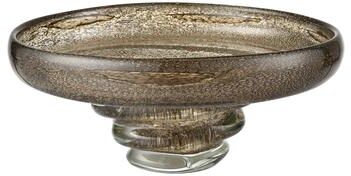
Atlas Lighting and Home Atlas Metcalf Hand-Formed Bubbled Glass Ribbed Bowl - 11.5 inch WideExperience the artistry of the Metcalf Bowl. Made from hand-formed bubbled glass, this heavyweight ribbed bowl is a testament to craftsmanship and a true work of art for your home.118,00 $*Shipping: 0,00 $Secure redirect to the provider
-
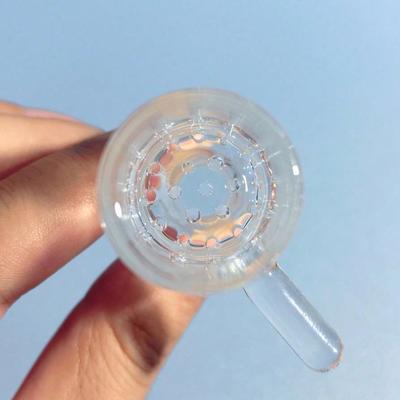
Retailers Go Honeycomb Glass Bowl, Transparent, Handmade, Unique Craftsmanship, Perfect For Your Smoking Collection Honeycomb Glass Bowl, Transparent, Handmade, Unique Craftsmanship, Perfect For Your Smoking CollectionIntroducing the 14mm(0.5512 inches)approx Transparent Handmade Glass Bowl, a beautifully crafted piece that combines stunning aesthetics with unmatched functionality. Perfect for any smoking enthusiast, this unique honeycomb glass bowl is designed...66,97 $*Shipping: 0,00 $Secure redirect to the provider
-
Dartington Bar Excellence Set Of 2 Beer GlassesElevate your beer-drinking experience with this exquisite set of two Dartington Bar Excellence Beer Glasses. Crafted with precision in Britain, these handmade crystal glasses stand at an elegant 182mm height and boast a generous 440ml capacity, ideal for savoring your preferred lagers, ales, and ciders. Whether it's a special occasion or a casual gathering, these glasses are designed to enhance the flavors and aromas of your chilled beverages. Indulge in the perfect combination of style and functionality with these exceptional beer glasses.50,00 £*Shipping: 0,00 £Secure redirect to the provider


-
How is cellobiose formed?
Cellobiose is formed through the hydrolysis of cellulose, which is a polysaccharide found in the cell walls of plants. Enzymes called cellulases break down the cellulose into its component sugar units, releasing cellobiose as a disaccharide. Cellobiose consists of two glucose molecules linked together by a beta-1,4 glycosidic bond. This process of breaking down cellulose into cellobiose is essential for organisms like bacteria and fungi that can utilize cellobiose as a source of energy. **
-
How is ATP formed?
ATP is formed through the process of cellular respiration, which occurs in the mitochondria of cells. During cellular respiration, glucose is broken down in a series of steps, releasing energy that is used to convert ADP (adenosine diphosphate) into ATP (adenosine triphosphate). This process involves the electron transport chain and the production of ATP synthase, which adds a phosphate group to ADP to form ATP. Overall, ATP is formed through the transfer of energy from glucose to ADP, creating a molecule that serves as the primary energy source for cellular activities. **
-
How are mitochondria formed?
Mitochondria are formed through a process called mitochondrial biogenesis, which involves the growth and division of existing mitochondria. Mitochondria have their own DNA and can replicate independently of the cell's nucleus. When a cell needs more energy, it signals for the production of new mitochondria through a complex interplay of signaling pathways and regulatory proteins. This process ensures that the cell has an adequate supply of mitochondria to meet its energy demands. **
-
How are molecules formed?
Molecules are formed through chemical bonding between atoms. Atoms can either share electrons to form covalent bonds or transfer electrons to form ionic bonds. The type of bonding that occurs depends on the elements involved and their tendency to gain, lose, or share electrons. Once atoms are bonded together, they form a stable structure known as a molecule. **


How is skin formed?
Skin is formed through a process called skin cell proliferation and differentiation. The outer layer of the skin, known as the epidermis, is made up of several layers of cells that are constantly being shed and replaced. The inner layer, called the dermis, contains collagen and elastin fibers that provide structure and elasticity to the skin. Skin cells are produced in the deepest layer of the epidermis, called the basal layer, and as they move towards the surface, they undergo a process of differentiation and eventually die to form the protective barrier of the skin. **
How are salts formed?
Salts are formed through a chemical reaction between an acid and a base. During this reaction, the hydrogen ions from the acid combine with the hydroxide ions from the base to form water, while the remaining ions combine to form a salt. This process is known as neutralization. Salts can also be formed through the evaporation of a solution containing dissolved ions, resulting in the formation of solid salt crystals. **
Top-Angebote
Products related to Formed:
-
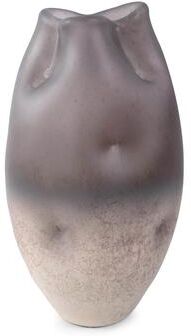
Allan Andrews Electric Flow Free Formed VaseThis hand-blown vase features a captivating ombre effect, blending cool gray and aubergine with warm beige and gold. With its unique shape and matte finish, it brings a modern touch to any design.189,00 $*Shipping: 0,00 $Secure redirect to the provider
-
Atlas Lighting and Home Atlas Metcalf Hand-Formed Bubbled Glass VaseExperience the artistry of the Metcalf Vase. Made from hand-formed bubbled glass, this heavyweight ribbed vase is a testament to craftsmanship and a true work of art for your home.150,00 $*Shipping: 0,00 $Secure redirect to the provider
-
Atlas Lighting and Home Atlas Metcalf Hand-Formed Bubbled Glass Ribbed Bowl - 11.5 inch WideExperience the artistry of the Metcalf Bowl. Made from hand-formed bubbled glass, this heavyweight ribbed bowl is a testament to craftsmanship and a true work of art for your home.118,00 $*Shipping: 0,00 $Secure redirect to the provider
-
How are alkaloids formed in passion flowers?
Alkaloids in passion flowers are formed through a biosynthetic pathway involving the amino acid tryptophan. Tryptophan is converted into strictosidine, which is a key intermediate in alkaloid biosynthesis. Through a series of enzymatic reactions, strictosidine is then transformed into various alkaloids such as harman, harmine, and harmaline. These alkaloids give passion flowers their characteristic bitter taste and potential medicinal properties. **
-
What are ions formed for?
Ions are formed in order to achieve a stable electronic configuration. Atoms can gain or lose electrons to become ions, and in doing so, they attain a full outer shell of electrons, which is the most stable configuration. This process allows atoms to become more stable and form compounds with other ions or atoms. Ions play a crucial role in chemical reactions and the formation of various compounds. **
-
How is cellobiose formed?
Cellobiose is formed through the hydrolysis of cellulose, which is a polysaccharide found in the cell walls of plants. Enzymes called cellulases break down the cellulose into its component sugar units, releasing cellobiose as a disaccharide. Cellobiose consists of two glucose molecules linked together by a beta-1,4 glycosidic bond. This process of breaking down cellulose into cellobiose is essential for organisms like bacteria and fungi that can utilize cellobiose as a source of energy. **
-
How is ATP formed?
ATP is formed through the process of cellular respiration, which occurs in the mitochondria of cells. During cellular respiration, glucose is broken down in a series of steps, releasing energy that is used to convert ADP (adenosine diphosphate) into ATP (adenosine triphosphate). This process involves the electron transport chain and the production of ATP synthase, which adds a phosphate group to ADP to form ATP. Overall, ATP is formed through the transfer of energy from glucose to ADP, creating a molecule that serves as the primary energy source for cellular activities. **
Similar search terms for Formed
-
Retailers Go Honeycomb Glass Bowl, Transparent, Handmade, Unique Craftsmanship, Perfect For Your Smoking Collection Honeycomb Glass Bowl, Transparent, Handmade, Unique Craftsmanship, Perfect For Your Smoking CollectionIntroducing the 14mm(0.5512 inches)approx Transparent Handmade Glass Bowl, a beautifully crafted piece that combines stunning aesthetics with unmatched functionality. Perfect for any smoking enthusiast, this unique honeycomb glass bowl is designed...66,97 $*Shipping: 0,00 $Secure redirect to the provider
-
Dartington Bar Excellence Set Of 2 Beer GlassesElevate your beer-drinking experience with this exquisite set of two Dartington Bar Excellence Beer Glasses. Crafted with precision in Britain, these handmade crystal glasses stand at an elegant 182mm height and boast a generous 440ml capacity, ideal for savoring your preferred lagers, ales, and ciders. Whether it's a special occasion or a casual gathering, these glasses are designed to enhance the flavors and aromas of your chilled beverages. Indulge in the perfect combination of style and functionality with these exceptional beer glasses.50,00 £*Shipping: 0,00 £Secure redirect to the provider
-
Sesderma Reti Age 5 Liposomal Serum Anti-Aging Innovation 30mLA facial serum for wrinkles and signs of ageing. Reduces wrinkles and fine lines. Hydrates and strengthens barrier. Restores youthful radiance. 5-Retinoid System: smooths wrinkles, accelerates renewal, and boosts collagen. Biomimetic Peptides: fill expression lines by stimulating collagen synthesis.54,51 £*Shipping: 5,34 £Secure redirect to the provider
-
Lincove Reversible Quilt - Meticulous Craftsmanship, Diamond-Shaped QuiltingIndulge in the refined charm of our Mustard/Grey quilt, expertly stitched with diamond-shaped quilting. Elevate your bed with this stylish and comfortable layer, blending sophistication with cozy textures for a serene and elegant sleep haven.238,99 $*Shipping: 0,00 $Secure redirect to the provider
-
How are mitochondria formed?
Mitochondria are formed through a process called mitochondrial biogenesis, which involves the growth and division of existing mitochondria. Mitochondria have their own DNA and can replicate independently of the cell's nucleus. When a cell needs more energy, it signals for the production of new mitochondria through a complex interplay of signaling pathways and regulatory proteins. This process ensures that the cell has an adequate supply of mitochondria to meet its energy demands. **
-
How are molecules formed?
Molecules are formed through chemical bonding between atoms. Atoms can either share electrons to form covalent bonds or transfer electrons to form ionic bonds. The type of bonding that occurs depends on the elements involved and their tendency to gain, lose, or share electrons. Once atoms are bonded together, they form a stable structure known as a molecule. **
-
How is skin formed?
Skin is formed through a process called skin cell proliferation and differentiation. The outer layer of the skin, known as the epidermis, is made up of several layers of cells that are constantly being shed and replaced. The inner layer, called the dermis, contains collagen and elastin fibers that provide structure and elasticity to the skin. Skin cells are produced in the deepest layer of the epidermis, called the basal layer, and as they move towards the surface, they undergo a process of differentiation and eventually die to form the protective barrier of the skin. **
-
How are salts formed?
Salts are formed through a chemical reaction between an acid and a base. During this reaction, the hydrogen ions from the acid combine with the hydroxide ions from the base to form water, while the remaining ions combine to form a salt. This process is known as neutralization. Salts can also be formed through the evaporation of a solution containing dissolved ions, resulting in the formation of solid salt crystals. **
* All prices are inclusive of VAT and, if applicable, plus shipping costs. The offer information is based on the details provided by the respective shop and is updated through automated processes. Real-time updates do not occur, so deviations can occur in individual cases. ** Note: Parts of this content were created by AI.