Buy passion-for-excellence.com ?
We are moving the project
passion-for-excellence.com .
Are you interested in purchasing the domain
passion-for-excellence.com ?
domain@kv-gmbh.de · 0541-91531010
Buy passion-for-excellence.com ?
Why is water eliminated during esterification?
Water is eliminated during esterification because it is a byproduct of the reaction between an alcohol and a carboxylic acid to form an ester. The elimination of water helps drive the reaction forward by Le Chatelier's principle, as the removal of the water shifts the equilibrium towards the formation of more ester product. Additionally, the presence of water can hydrolyze the ester back into the alcohol and carboxylic acid, so removing water helps prevent the reverse reaction from occurring. **
How does esterification work in chemistry?
Esterification is a chemical reaction that involves the reaction between an alcohol and a carboxylic acid to form an ester and water. This reaction is typically catalyzed by an acid or a base. The alcohol group (-OH) from the alcohol and the carboxyl group (-COOH) from the carboxylic acid combine to form an ester linkage (-COO-). Esterification is a reversible reaction, meaning that esters can be hydrolyzed back into their original alcohol and carboxylic acid components under certain conditions. **
Similar search terms for Esterification
Top-Angebote
Products related to Esterification:
-
Dartington Bar Excellence Set Of 2 Beer GlassesElevate your beer-drinking experience with this exquisite set of two Dartington Bar Excellence Beer Glasses. Crafted with precision in Britain, these handmade crystal glasses stand at an elegant 182mm height and boast a generous 440ml capacity, ideal for savoring your preferred lagers, ales, and ciders. Whether it's a special occasion or a casual gathering, these glasses are designed to enhance the flavors and aromas of your chilled beverages. Indulge in the perfect combination of style and functionality with these exceptional beer glasses.50,00 £*Shipping: 0,00 £Secure redirect to the provider
-
Sesderma Reti Age 5 Liposomal Serum Anti-Aging Innovation 30mLA facial serum for wrinkles and signs of ageing. Reduces wrinkles and fine lines. Hydrates and strengthens barrier. Restores youthful radiance. 5-Retinoid System: smooths wrinkles, accelerates renewal, and boosts collagen. Biomimetic Peptides: fill expression lines by stimulating collagen synthesis.54,51 £*Shipping: 5,34 £Secure redirect to the provider
-
Lincove Reversible Quilt - Meticulous Craftsmanship, Diamond-Shaped QuiltingIndulge in the refined charm of our Mustard/Grey quilt, expertly stitched with diamond-shaped quilting. Elevate your bed with this stylish and comfortable layer, blending sophistication with cozy textures for a serene and elegant sleep haven.238,99 $*Shipping: 0,00 $Secure redirect to the provider
-
Sagebrook Home Hennie Black & White Glass Vase CraftsmanshipElevate your space with the essence of elegance through Sagebrook Home's exquisite glass vase. Expertly crafted from the finest materials, this delicate piece is a testament to timeless beauty, poised to enhance any bouquet.75,99 $*Shipping: 0,00 $Secure redirect to the provider




-
Is esterification also an oxidation reaction?
No, esterification is not an oxidation reaction. Esterification is a chemical reaction between an alcohol and a carboxylic acid to form an ester and water. In this reaction, the alcohol group (-OH) from the alcohol and the carboxyl group (-COOH) from the carboxylic acid combine to form an ester linkage. Oxidation reactions involve the loss of electrons, while esterification involves the formation of a new compound through the combination of functional groups. **
-
Is condensation the same as esterification?
No, condensation and esterification are not the same. Condensation is a general term used to describe the process of two molecules combining and releasing a small molecule, such as water, as a byproduct. Esterification, on the other hand, specifically refers to the chemical reaction between an alcohol and a carboxylic acid to form an ester and water. While esterification is a type of condensation reaction, not all condensation reactions are esterification. **
-
What is a catalyst in esterification?
A catalyst in esterification is a substance that increases the rate of the esterification reaction without being consumed in the process. It works by providing an alternative pathway for the reaction to occur, lowering the activation energy required for the reaction to take place. Common catalysts for esterification include acids, such as sulfuric acid or hydrochloric acid, which can protonate the carbonyl group of the carboxylic acid and activate it for nucleophilic attack by the alcohol. This results in the formation of the ester product at a faster rate than without the catalyst. **
-
What is the degree of esterification?
The degree of esterification refers to the extent to which a carboxylic acid has been esterified with an alcohol to form an ester. It is a measure of the proportion of carboxylic acid groups that have been converted to ester groups in a molecule. The degree of esterification can be expressed as a percentage, with 100% indicating complete esterification and 0% indicating no esterification. This parameter is important in various industrial processes, such as in the production of biodiesel and in the synthesis of polymers. **


Why is water split off during esterification?
Water is split off during esterification because it is a byproduct of the reaction between an alcohol and a carboxylic acid. In esterification, the hydroxyl group (-OH) from the alcohol and the hydrogen atom from the carboxylic acid combine to form water. This process helps to form the ester compound, which is the desired product of the reaction. **
What is the reaction type of esterification?
Esterification is a type of organic reaction that involves the formation of an ester from a carboxylic acid and an alcohol in the presence of an acid catalyst. This reaction is a condensation reaction, where a small molecule, such as water, is eliminated as a byproduct. Esterification is an important reaction in organic chemistry and is commonly used in the synthesis of fragrances, flavors, and pharmaceuticals. **
Top-Angebote
Products related to Esterification:
-
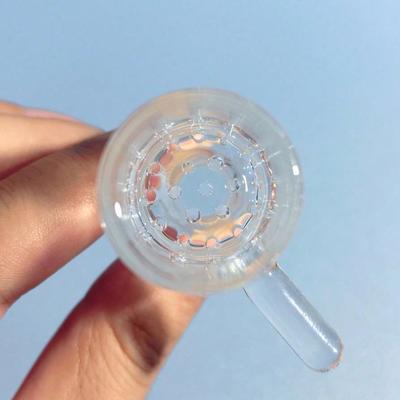
Retailers Go Honeycomb Glass Bowl, Transparent, Handmade, Unique Craftsmanship, Perfect For Your Smoking Collection Honeycomb Glass Bowl, Transparent, Handmade, Unique Craftsmanship, Perfect For Your Smoking CollectionIntroducing the 14mm(0.5512 inches)approx Transparent Handmade Glass Bowl, a beautifully crafted piece that combines stunning aesthetics with unmatched functionality. Perfect for any smoking enthusiast, this unique honeycomb glass bowl is designed...66,97 $*Shipping: 0,00 $Secure redirect to the provider
-
Dartington Bar Excellence Set Of 2 Beer GlassesElevate your beer-drinking experience with this exquisite set of two Dartington Bar Excellence Beer Glasses. Crafted with precision in Britain, these handmade crystal glasses stand at an elegant 182mm height and boast a generous 440ml capacity, ideal for savoring your preferred lagers, ales, and ciders. Whether it's a special occasion or a casual gathering, these glasses are designed to enhance the flavors and aromas of your chilled beverages. Indulge in the perfect combination of style and functionality with these exceptional beer glasses.50,00 £*Shipping: 0,00 £Secure redirect to the provider
-
Sesderma Reti Age 5 Liposomal Serum Anti-Aging Innovation 30mLA facial serum for wrinkles and signs of ageing. Reduces wrinkles and fine lines. Hydrates and strengthens barrier. Restores youthful radiance. 5-Retinoid System: smooths wrinkles, accelerates renewal, and boosts collagen. Biomimetic Peptides: fill expression lines by stimulating collagen synthesis.54,51 £*Shipping: 5,34 £Secure redirect to the provider
-
Why is water eliminated during esterification?
Water is eliminated during esterification because it is a byproduct of the reaction between an alcohol and a carboxylic acid to form an ester. The elimination of water helps drive the reaction forward by Le Chatelier's principle, as the removal of the water shifts the equilibrium towards the formation of more ester product. Additionally, the presence of water can hydrolyze the ester back into the alcohol and carboxylic acid, so removing water helps prevent the reverse reaction from occurring. **
-
How does esterification work in chemistry?
Esterification is a chemical reaction that involves the reaction between an alcohol and a carboxylic acid to form an ester and water. This reaction is typically catalyzed by an acid or a base. The alcohol group (-OH) from the alcohol and the carboxyl group (-COOH) from the carboxylic acid combine to form an ester linkage (-COO-). Esterification is a reversible reaction, meaning that esters can be hydrolyzed back into their original alcohol and carboxylic acid components under certain conditions. **
-
Is esterification also an oxidation reaction?
No, esterification is not an oxidation reaction. Esterification is a chemical reaction between an alcohol and a carboxylic acid to form an ester and water. In this reaction, the alcohol group (-OH) from the alcohol and the carboxyl group (-COOH) from the carboxylic acid combine to form an ester linkage. Oxidation reactions involve the loss of electrons, while esterification involves the formation of a new compound through the combination of functional groups. **
-
Is condensation the same as esterification?
No, condensation and esterification are not the same. Condensation is a general term used to describe the process of two molecules combining and releasing a small molecule, such as water, as a byproduct. Esterification, on the other hand, specifically refers to the chemical reaction between an alcohol and a carboxylic acid to form an ester and water. While esterification is a type of condensation reaction, not all condensation reactions are esterification. **
Similar search terms for Esterification
-
Lincove Reversible Quilt - Meticulous Craftsmanship, Diamond-Shaped QuiltingIndulge in the refined charm of our Mustard/Grey quilt, expertly stitched with diamond-shaped quilting. Elevate your bed with this stylish and comfortable layer, blending sophistication with cozy textures for a serene and elegant sleep haven.238,99 $*Shipping: 0,00 $Secure redirect to the provider
-
Sagebrook Home Hennie Black & White Glass Vase CraftsmanshipElevate your space with the essence of elegance through Sagebrook Home's exquisite glass vase. Expertly crafted from the finest materials, this delicate piece is a testament to timeless beauty, poised to enhance any bouquet.75,99 $*Shipping: 0,00 $Secure redirect to the provider
-
Valera Swiss Excellence Smart hair clipper Black 1 pcValera Swiss Excellence Smart, 1 pc, Trimmers for Men, Do you pride yourself on looking perfectly groomed, especially when it comes to your hairstyle? You don't have to visit a barber or hairdresser every time you need to make any minor or major styling adjustments. This hair trimmer from ValeraSwiss ExcellenceSmart is all you need. With it, you can always count on a precise trim like from the hands of a professional and a result exactly to your liking, all from the comfort of your own home. This device takes charge of the preciseness of the trim length and makes your work easier thanks to its easy use. Characteristics: different cutting length settings removable attachments delivers professional results trimmer for precise and perfect styling can be used with or without a cable How to use: Follow the instructions for use included.122,00 £*Shipping: 3,99 £Secure redirect to the provider
-
What is a catalyst in esterification?
A catalyst in esterification is a substance that increases the rate of the esterification reaction without being consumed in the process. It works by providing an alternative pathway for the reaction to occur, lowering the activation energy required for the reaction to take place. Common catalysts for esterification include acids, such as sulfuric acid or hydrochloric acid, which can protonate the carbonyl group of the carboxylic acid and activate it for nucleophilic attack by the alcohol. This results in the formation of the ester product at a faster rate than without the catalyst. **
-
What is the degree of esterification?
The degree of esterification refers to the extent to which a carboxylic acid has been esterified with an alcohol to form an ester. It is a measure of the proportion of carboxylic acid groups that have been converted to ester groups in a molecule. The degree of esterification can be expressed as a percentage, with 100% indicating complete esterification and 0% indicating no esterification. This parameter is important in various industrial processes, such as in the production of biodiesel and in the synthesis of polymers. **
-
Why is water split off during esterification?
Water is split off during esterification because it is a byproduct of the reaction between an alcohol and a carboxylic acid. In esterification, the hydroxyl group (-OH) from the alcohol and the hydrogen atom from the carboxylic acid combine to form water. This process helps to form the ester compound, which is the desired product of the reaction. **
-
What is the reaction type of esterification?
Esterification is a type of organic reaction that involves the formation of an ester from a carboxylic acid and an alcohol in the presence of an acid catalyst. This reaction is a condensation reaction, where a small molecule, such as water, is eliminated as a byproduct. Esterification is an important reaction in organic chemistry and is commonly used in the synthesis of fragrances, flavors, and pharmaceuticals. **
* All prices are inclusive of VAT and, if applicable, plus shipping costs. The offer information is based on the details provided by the respective shop and is updated through automated processes. Real-time updates do not occur, so deviations can occur in individual cases. ** Note: Parts of this content were created by AI.