Buy passion-for-excellence.com ?
We are moving the project
passion-for-excellence.com .
Are you interested in purchasing the domain
passion-for-excellence.com ?
domain@kv-gmbh.de · 0541-91531010
Buy passion-for-excellence.com ?
What is Hess's law for standard formation enthalpy and combustion enthalpy?
Hess's law states that the total enthalpy change for a reaction is the same regardless of the number of steps taken to reach the final products. This principle can be applied to standard formation enthalpies and combustion enthalpies by using a series of known enthalpy changes to calculate the overall enthalpy change for a reaction. By manipulating and combining these known enthalpies, Hess's law allows us to determine the enthalpy change for reactions that may not be easily measured directly. **
What is the difference between standard enthalpy of formation, enthalpy of formation, and reaction enthalpy?
The standard enthalpy of formation is the enthalpy change that occurs when one mole of a compound is formed from its elements in their standard states. Enthalpy of formation is the enthalpy change that occurs when one mole of a compound is formed from its elements in their standard states, but it can be under non-standard conditions. Reaction enthalpy is the enthalpy change that occurs in a chemical reaction, which can be exothermic (heat is released) or endothermic (heat is absorbed). **

Similar search terms for Enthalpy
Top-Angebote
Products related to Enthalpy:
-
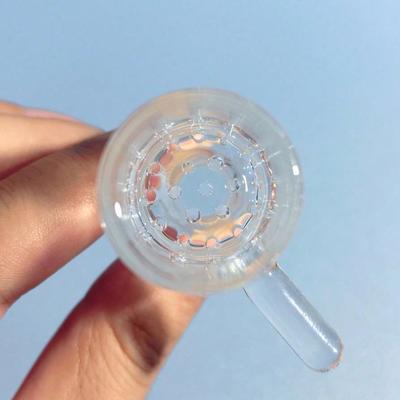
Retailers Go Honeycomb Glass Bowl, Transparent, Handmade, Unique Craftsmanship, Perfect For Your Smoking Collection Honeycomb Glass Bowl, Transparent, Handmade, Unique Craftsmanship, Perfect For Your Smoking CollectionIntroducing the 14mm(0.5512 inches)approx Transparent Handmade Glass Bowl, a beautifully crafted piece that combines stunning aesthetics with unmatched functionality. Perfect for any smoking enthusiast, this unique honeycomb glass bowl is designed...66,97 $*Shipping: 0,00 $Secure redirect to the provider
-
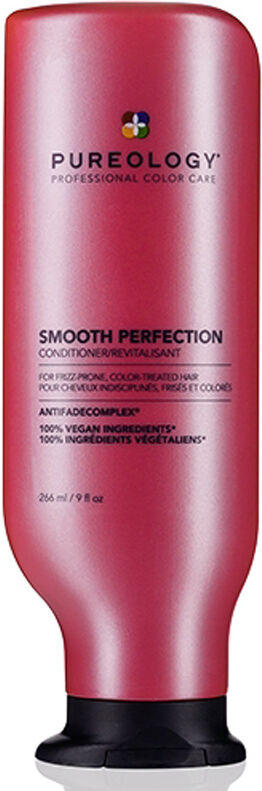
Pureology Smooth Perfection Conditioner 266mlTame frizz and restore hair manageability with the incredible Smooth Perfection Conditioner. Specially formulated, this vegan Pureology hair-care hero powerfully nourishes and hydrates every strand for beautifully soft results. Ideal for frizz-prone colour-treated hair. Ingredients Aqua / Water / Eaucetearyl Alcoholglycerinbehentrimonium Chloridecetyl Estersisopropyl Myristatequaternium-80propylene Glycolparfum / Fragrancepolysorbate 20isopropyl Alcoholphenoxyethanolpolyquaternium-37propylene Glycol Dicaprylate/Dicapratetocopherolsesamum Indicum Seed Oil / Sesame Seed Oilbutyrospermum Parkii Butter / Shea Buttercamellia Oleifera Seed Oilbutylene Glycoldilauryl Thiodipropionatehelianthus Annuus Seed Extract / Sunflower Seed Extractppg-1 Trideceth-6hydrolyzed Vegetable Protein Pg-Propyl Silanetriolcitric Acid Pelargonium Graveolens Flower Oilascorbic Acidbenzophenone-4sorbitan Oleatepotassium Sorbate.24,40 £*Shipping: 0,00 £Secure redirect to the provider
-
Dartington Bar Excellence Set Of 2 Beer GlassesElevate your beer-drinking experience with this exquisite set of two Dartington Bar Excellence Beer Glasses. Crafted with precision in Britain, these handmade crystal glasses stand at an elegant 182mm height and boast a generous 440ml capacity, ideal for savoring your preferred lagers, ales, and ciders. Whether it's a special occasion or a casual gathering, these glasses are designed to enhance the flavors and aromas of your chilled beverages. Indulge in the perfect combination of style and functionality with these exceptional beer glasses.50,00 £*Shipping: 0,00 £Secure redirect to the provider
-
Sagebrook Home Hennie Black & White Glass Vase CraftsmanshipElevate your space with the essence of elegance through Sagebrook Home's exquisite glass vase. Expertly crafted from the finest materials, this delicate piece is a testament to timeless beauty, poised to enhance any bouquet.79,99 $*Shipping: 0,00 $Secure redirect to the provider


-
What is Hess's law equation for standard formation enthalpy and combustion enthalpy?
Hess's law states that the overall enthalpy change for a reaction is the same regardless of the number of steps taken to reach the final products. For standard formation enthalpy, the equation is: ∆Hf°(products) = ∑∆Hf°(products) - ∑∆Hf°(reactants). For combustion enthalpy, the equation is: ∆Hcomb° = ∑∆Hf°(products) - ∑∆Hf°(reactants). These equations allow us to calculate the enthalpy change of a reaction using the enthalpies of formation of the reactants and products. **
-
What is enthalpy?
Enthalpy is a thermodynamic property of a system that represents the total energy of the system, including its internal energy and the energy required to maintain constant pressure. It is often denoted as H and is expressed in units of joules. Enthalpy is important in understanding and analyzing processes such as chemical reactions and phase changes, as it provides a measure of the heat content of a system. In practical terms, enthalpy change is often used to quantify the heat absorbed or released during a process at constant pressure. **
-
What is the difference between bond enthalpy and formation enthalpy?
Bond enthalpy is the energy required to break a specific chemical bond in a molecule, while formation enthalpy is the energy change when one mole of a compound is formed from its elements in their standard states. Bond enthalpy is specific to a particular bond within a molecule, while formation enthalpy is a measure of the overall energy change in forming a compound. Bond enthalpy is typically measured in kilojoules per mole (kJ/mol), while formation enthalpy is also measured in kilojoules per mole (kJ/mol). **
-
What is the equation of Hess for standard formation enthalpy and combustion enthalpy?
The equation of Hess for standard formation enthalpy and combustion enthalpy is: ΔH°f = ΣΔH°f(products) - ΣΔH°f(reactants) ΔH°c = ΣΔH°f(products) - ΣΔH°f(reactants) where ΔH°f is the standard formation enthalpy, ΔH°c is the standard combustion enthalpy, and the Σ symbol represents the sum of the enthalpies of formation of the products and reactants. **


What is the difference between standard formation enthalpy and enthalpy change?
Standard formation enthalpy is the enthalpy change that occurs when one mole of a compound is formed from its elements in their standard states. It is a specific type of enthalpy change that is measured under standard conditions. Enthalpy change, on the other hand, is a more general term that refers to the overall change in enthalpy of a system during a chemical reaction or process, regardless of whether it involves formation of a compound or not. Enthalpy change can be positive (endothermic) or negative (exothermic), depending on whether energy is absorbed or released during the process. **
How to calculate the reaction enthalpy from the molar bond enthalpy?
To calculate the reaction enthalpy from the molar bond enthalpy, you need to consider the difference between the sum of the bond enthalpies of the reactants and the sum of the bond enthalpies of the products. First, calculate the total bond enthalpy of all the bonds broken in the reactants, and then calculate the total bond enthalpy of all the bonds formed in the products. The reaction enthalpy is then the difference between these two values, with the bond enthalpies of the products subtracted from the bond enthalpies of the reactants. This calculation allows you to determine whether a reaction is exothermic (releasing heat) or endothermic (absorbing heat). **
Top-Angebote
Products related to Enthalpy:
-
Innovation: Fourth Edition Board Game by Asmadi Games for 2-4 PlayersInnovation: Fourth Edition is a strategic card game for 2–4 players. Build a civilization through ideas, inventions, and cultural advances by developing technologies and sharing achievements. Each card can provide different benefits depending on how it's used, creating varied strategies and unexpected shifts throughout the game. This edition includes updated artwork and streamlined rules for the expansions, as well as Age 11 cards for each set and the new expansion, The Unseen, which adds further possibilities to the core experience. With hundreds of cards and numerous combinations, every game can unfold differently.18,29 £*Shipping: 1,99 £Secure redirect to the provider
-
Retailers Go Honeycomb Glass Bowl, Transparent, Handmade, Unique Craftsmanship, Perfect For Your Smoking Collection Honeycomb Glass Bowl, Transparent, Handmade, Unique Craftsmanship, Perfect For Your Smoking CollectionIntroducing the 14mm(0.5512 inches)approx Transparent Handmade Glass Bowl, a beautifully crafted piece that combines stunning aesthetics with unmatched functionality. Perfect for any smoking enthusiast, this unique honeycomb glass bowl is designed...66,97 $*Shipping: 0,00 $Secure redirect to the provider
-
Pureology Smooth Perfection Conditioner 266mlTame frizz and restore hair manageability with the incredible Smooth Perfection Conditioner. Specially formulated, this vegan Pureology hair-care hero powerfully nourishes and hydrates every strand for beautifully soft results. Ideal for frizz-prone colour-treated hair. Ingredients Aqua / Water / Eaucetearyl Alcoholglycerinbehentrimonium Chloridecetyl Estersisopropyl Myristatequaternium-80propylene Glycolparfum / Fragrancepolysorbate 20isopropyl Alcoholphenoxyethanolpolyquaternium-37propylene Glycol Dicaprylate/Dicapratetocopherolsesamum Indicum Seed Oil / Sesame Seed Oilbutyrospermum Parkii Butter / Shea Buttercamellia Oleifera Seed Oilbutylene Glycoldilauryl Thiodipropionatehelianthus Annuus Seed Extract / Sunflower Seed Extractppg-1 Trideceth-6hydrolyzed Vegetable Protein Pg-Propyl Silanetriolcitric Acid Pelargonium Graveolens Flower Oilascorbic Acidbenzophenone-4sorbitan Oleatepotassium Sorbate.24,40 £*Shipping: 0,00 £Secure redirect to the provider
-
What is Hess's law for standard formation enthalpy and combustion enthalpy?
Hess's law states that the total enthalpy change for a reaction is the same regardless of the number of steps taken to reach the final products. This principle can be applied to standard formation enthalpies and combustion enthalpies by using a series of known enthalpy changes to calculate the overall enthalpy change for a reaction. By manipulating and combining these known enthalpies, Hess's law allows us to determine the enthalpy change for reactions that may not be easily measured directly. **
-
What is the difference between standard enthalpy of formation, enthalpy of formation, and reaction enthalpy?
The standard enthalpy of formation is the enthalpy change that occurs when one mole of a compound is formed from its elements in their standard states. Enthalpy of formation is the enthalpy change that occurs when one mole of a compound is formed from its elements in their standard states, but it can be under non-standard conditions. Reaction enthalpy is the enthalpy change that occurs in a chemical reaction, which can be exothermic (heat is released) or endothermic (heat is absorbed). **
-
What is Hess's law equation for standard formation enthalpy and combustion enthalpy?
Hess's law states that the overall enthalpy change for a reaction is the same regardless of the number of steps taken to reach the final products. For standard formation enthalpy, the equation is: ∆Hf°(products) = ∑∆Hf°(products) - ∑∆Hf°(reactants). For combustion enthalpy, the equation is: ∆Hcomb° = ∑∆Hf°(products) - ∑∆Hf°(reactants). These equations allow us to calculate the enthalpy change of a reaction using the enthalpies of formation of the reactants and products. **
-
What is enthalpy?
Enthalpy is a thermodynamic property of a system that represents the total energy of the system, including its internal energy and the energy required to maintain constant pressure. It is often denoted as H and is expressed in units of joules. Enthalpy is important in understanding and analyzing processes such as chemical reactions and phase changes, as it provides a measure of the heat content of a system. In practical terms, enthalpy change is often used to quantify the heat absorbed or released during a process at constant pressure. **
Similar search terms for Enthalpy
-
Dartington Bar Excellence Set Of 2 Beer GlassesElevate your beer-drinking experience with this exquisite set of two Dartington Bar Excellence Beer Glasses. Crafted with precision in Britain, these handmade crystal glasses stand at an elegant 182mm height and boast a generous 440ml capacity, ideal for savoring your preferred lagers, ales, and ciders. Whether it's a special occasion or a casual gathering, these glasses are designed to enhance the flavors and aromas of your chilled beverages. Indulge in the perfect combination of style and functionality with these exceptional beer glasses.50,00 £*Shipping: 0,00 £Secure redirect to the provider
-
Sagebrook Home Hennie Black & White Glass Vase CraftsmanshipElevate your space with the essence of elegance through Sagebrook Home's exquisite glass vase. Expertly crafted from the finest materials, this delicate piece is a testament to timeless beauty, poised to enhance any bouquet.79,99 $*Shipping: 0,00 $Secure redirect to the provider
-
Pureology Smooth Perfection Conditioner 266ml DoubleStock up and save on your favourite Pureology conditioner with this great-value set, containing: 2 x Smooth Perfection Conditioner 266ml The Smooth Perfection Conditioner works to tame frizz and restore hair manageability. Specially formulated, this vegan Pureology hair-care hero powerfully nourishes and hydrates every strand for beautifully soft locks. Ideal for frizz-prone colour-treated hair. Ingredients - new & improved formula Aqua / Water / Eaucetearyl Alcoholglycerinbehentrimonium Chloridecetyl Estersisopropyl Myristatequaternium-80propylene Glycolparfum / Fragrancepolysorbate 20isopropyl Alcoholphenoxyethanolpolyquaternium-37propylene Glycol Dicaprylate/Dicapratetocopherolsesamum Indicum Seed Oil / Sesame Seed Oilbutyrospermum Parkii Butter / Shea Buttercamellia Oleifera Seed Oilbutylene Glycoldilauryl Thiodipropionatehelianthus Annuus Seed Extract / Sunflower Seed Extractppg-1 Trideceth-6hydrolyzed Vegetable Protein Pg-Propyl Silanetriolcitric Acid Pelargonium Graveolens Flower Oilascorbic Acidbenzophenone-4sorbitan Oleatepotassium Sorbate.45,75 £*Shipping: 0,00 £Secure redirect to the provider
-
What is the difference between bond enthalpy and formation enthalpy?
Bond enthalpy is the energy required to break a specific chemical bond in a molecule, while formation enthalpy is the energy change when one mole of a compound is formed from its elements in their standard states. Bond enthalpy is specific to a particular bond within a molecule, while formation enthalpy is a measure of the overall energy change in forming a compound. Bond enthalpy is typically measured in kilojoules per mole (kJ/mol), while formation enthalpy is also measured in kilojoules per mole (kJ/mol). **
-
What is the equation of Hess for standard formation enthalpy and combustion enthalpy?
The equation of Hess for standard formation enthalpy and combustion enthalpy is: ΔH°f = ΣΔH°f(products) - ΣΔH°f(reactants) ΔH°c = ΣΔH°f(products) - ΣΔH°f(reactants) where ΔH°f is the standard formation enthalpy, ΔH°c is the standard combustion enthalpy, and the Σ symbol represents the sum of the enthalpies of formation of the products and reactants. **
-
What is the difference between standard formation enthalpy and enthalpy change?
Standard formation enthalpy is the enthalpy change that occurs when one mole of a compound is formed from its elements in their standard states. It is a specific type of enthalpy change that is measured under standard conditions. Enthalpy change, on the other hand, is a more general term that refers to the overall change in enthalpy of a system during a chemical reaction or process, regardless of whether it involves formation of a compound or not. Enthalpy change can be positive (endothermic) or negative (exothermic), depending on whether energy is absorbed or released during the process. **
-
How to calculate the reaction enthalpy from the molar bond enthalpy?
To calculate the reaction enthalpy from the molar bond enthalpy, you need to consider the difference between the sum of the bond enthalpies of the reactants and the sum of the bond enthalpies of the products. First, calculate the total bond enthalpy of all the bonds broken in the reactants, and then calculate the total bond enthalpy of all the bonds formed in the products. The reaction enthalpy is then the difference between these two values, with the bond enthalpies of the products subtracted from the bond enthalpies of the reactants. This calculation allows you to determine whether a reaction is exothermic (releasing heat) or endothermic (absorbing heat). **
* All prices are inclusive of VAT and, if applicable, plus shipping costs. The offer information is based on the details provided by the respective shop and is updated through automated processes. Real-time updates do not occur, so deviations can occur in individual cases. ** Note: Parts of this content were created by AI.