Buy passion-for-excellence.com ?
We are moving the project
passion-for-excellence.com .
Are you interested in purchasing the domain
passion-for-excellence.com ?
domain@kv-gmbh.de · 0541-91531010
Buy passion-for-excellence.com ?
What are sigma and pi bonds in chemistry?
In chemistry, sigma and pi bonds are types of covalent bonds that hold atoms together in a molecule. A sigma bond is formed by the direct overlap of atomic orbitals, allowing for the free rotation of atoms around the bond axis. On the other hand, a pi bond is formed by the side-to-side overlap of p orbitals, which restricts the rotation of atoms around the bond axis. Both types of bonds are important for understanding the structure and properties of molecules. **
What are the differences between covalent bonds, metallic bonds, and ionic bonds?
Covalent bonds are formed when two atoms share electrons, resulting in a strong bond between the atoms. Metallic bonds occur between metal atoms, where the electrons are delocalized and free to move throughout the structure, creating a strong bond. Ionic bonds are formed between a metal and a nonmetal, where one atom transfers electrons to the other, resulting in the formation of positively and negatively charged ions that are attracted to each other. Overall, covalent bonds involve electron sharing, metallic bonds involve electron delocalization, and ionic bonds involve electron transfer. **


Similar search terms for Pi-bonds
Top-Angebote
Products related to Pi-bonds:
-
milk_shake Everlasting Bonds Shampoo for Damaged Hair 300mLA shampoo. Everlasting Bonds Shampoo is a transformative hair care solution designed to restore strength, softness, and resilience to damaged and stressed hair. This gentle yet effective cleanser not only repairs weakened hair bonds but also removes impurities without stripping the hair of its natural moisture.23,98 £*Shipping: 7,11 £Secure redirect to the provider
-
milk_shake Everlasting Bonds Concentrated Hair Mask 120mLA hair mask. This rich formula transforms hair, leaving it smoother, stronger, and visibly healthier after each use. Ideal for addressing severe damage, it provides deep nourishment without weighing hair down. Instantly rebuilds weakened hair bonds. Deeply nourishes without heaviness. Boosts softness and intense shine.30,83 £*Shipping: 5,34 £Secure redirect to the provider
-
milk_shake Everlasting Bonds Leave In Treatment 100mLA hair-care product. It a lightweight leave-in treatment designed to enhance your hair's softness, shine, and manageability without adding weight. This innovative formula provides heat protection up to 230°C, making it ideal for styling while addressing hair damage and promoting a healthier appearance.31,97 £*Shipping: 5,34 £Secure redirect to the provider


-
Do CO bonds form with other CO bonds?
No, CO bonds do not typically form with other CO bonds. Carbon monoxide (CO) is a stable molecule with a triple bond between the carbon and oxygen atoms. This triple bond is strong and does not readily form additional bonds with other CO molecules. Instead, CO molecules tend to interact with other types of molecules through various types of chemical reactions. **
-
Why are intermolecular bonds weaker than electron pair bonds?
Intermolecular bonds are weaker than electron pair bonds because they involve interactions between molecules rather than within a single molecule. In intermolecular bonds, the attractive forces between molecules are generally weaker than the covalent bonds that hold atoms together within a molecule. Additionally, intermolecular bonds are typically temporary and can be easily broken, whereas electron pair bonds are strong and stable. Overall, the weaker nature of intermolecular bonds allows molecules to move and interact with each other more freely. **
-
Why are intermolecular bonds generally weaker than covalent bonds?
Intermolecular bonds are generally weaker than covalent bonds because they involve interactions between molecules rather than within a single molecule. Covalent bonds involve the sharing of electrons between atoms, creating strong bonds within a molecule. In contrast, intermolecular bonds, such as hydrogen bonds or van der Waals forces, are weaker because they are based on temporary interactions between molecules, which can be easily broken. Additionally, intermolecular bonds are influenced by factors such as distance and orientation, further contributing to their weaker nature compared to covalent bonds. **
-
Why are intermolecular bonds typically weaker than covalent bonds?
Intermolecular bonds are typically weaker than covalent bonds because they involve interactions between molecules rather than within a single molecule. In intermolecular bonds, the attractive forces between molecules, such as van der Waals forces or hydrogen bonding, are weaker than the strong sharing of electrons in covalent bonds. Additionally, intermolecular bonds are more easily broken or disrupted by changes in temperature or pressure, leading to lower bond energies compared to covalent bonds. **
Why are intermolecular bonds generally weaker than electron pair bonds?
Intermolecular bonds are generally weaker than electron pair bonds because they involve interactions between molecules, which are larger and less localized than the interactions between atoms in a covalent bond. In intermolecular bonds, the attractive forces are typically weaker due to the larger distance between molecules and the lack of direct sharing of electrons. In contrast, electron pair bonds involve the sharing of electrons between atoms, leading to stronger and more localized bonding interactions. **
Why are polar bonds lower in energy than nonpolar bonds?
Polar bonds are lower in energy than nonpolar bonds because they involve the unequal sharing of electrons between two atoms with different electronegativities. This unequal sharing creates a dipole moment, which results in an attractive force between the partially positive and partially negative ends of the molecule. This electrostatic attraction lowers the overall energy of the molecule compared to nonpolar bonds, where electrons are shared equally. As a result, polar bonds are typically stronger and more stable than nonpolar bonds. **
Top-Angebote
Products related to Pi-bonds:
-
milk_shake Everlasting Bonds Repair Conditioner 250mLA conditioner. Everlasting Bonds Conditioner is designed to nourish, strengthen, and restore softness to normal to mildly damaged hair. This lightweight bond-repair conditioner provides healthier, smoother-looking results while addressing key hair concerns. Transform your hair with our bond-repair technology for visibly healthier results.30,83 £*Shipping: 7,11 £Secure redirect to the provider
-
milk_shake Everlasting Bonds Shampoo for Damaged Hair 300mLA shampoo. Everlasting Bonds Shampoo is a transformative hair care solution designed to restore strength, softness, and resilience to damaged and stressed hair. This gentle yet effective cleanser not only repairs weakened hair bonds but also removes impurities without stripping the hair of its natural moisture.23,98 £*Shipping: 7,11 £Secure redirect to the provider
-
What are sigma and pi bonds in chemistry?
In chemistry, sigma and pi bonds are types of covalent bonds that hold atoms together in a molecule. A sigma bond is formed by the direct overlap of atomic orbitals, allowing for the free rotation of atoms around the bond axis. On the other hand, a pi bond is formed by the side-to-side overlap of p orbitals, which restricts the rotation of atoms around the bond axis. Both types of bonds are important for understanding the structure and properties of molecules. **
-
What are the differences between covalent bonds, metallic bonds, and ionic bonds?
Covalent bonds are formed when two atoms share electrons, resulting in a strong bond between the atoms. Metallic bonds occur between metal atoms, where the electrons are delocalized and free to move throughout the structure, creating a strong bond. Ionic bonds are formed between a metal and a nonmetal, where one atom transfers electrons to the other, resulting in the formation of positively and negatively charged ions that are attracted to each other. Overall, covalent bonds involve electron sharing, metallic bonds involve electron delocalization, and ionic bonds involve electron transfer. **
-
Do CO bonds form with other CO bonds?
No, CO bonds do not typically form with other CO bonds. Carbon monoxide (CO) is a stable molecule with a triple bond between the carbon and oxygen atoms. This triple bond is strong and does not readily form additional bonds with other CO molecules. Instead, CO molecules tend to interact with other types of molecules through various types of chemical reactions. **
-
Why are intermolecular bonds weaker than electron pair bonds?
Intermolecular bonds are weaker than electron pair bonds because they involve interactions between molecules rather than within a single molecule. In intermolecular bonds, the attractive forces between molecules are generally weaker than the covalent bonds that hold atoms together within a molecule. Additionally, intermolecular bonds are typically temporary and can be easily broken, whereas electron pair bonds are strong and stable. Overall, the weaker nature of intermolecular bonds allows molecules to move and interact with each other more freely. **
Similar search terms for Pi-bonds
-
milk_shake Everlasting Bonds Concentrated Hair Mask 120mLA hair mask. This rich formula transforms hair, leaving it smoother, stronger, and visibly healthier after each use. Ideal for addressing severe damage, it provides deep nourishment without weighing hair down. Instantly rebuilds weakened hair bonds. Deeply nourishes without heaviness. Boosts softness and intense shine.30,83 £*Shipping: 5,34 £Secure redirect to the provider
-
milk_shake Everlasting Bonds Leave In Treatment 100mLA hair-care product. It a lightweight leave-in treatment designed to enhance your hair's softness, shine, and manageability without adding weight. This innovative formula provides heat protection up to 230°C, making it ideal for styling while addressing hair damage and promoting a healthier appearance.31,97 £*Shipping: 5,34 £Secure redirect to the provider
-
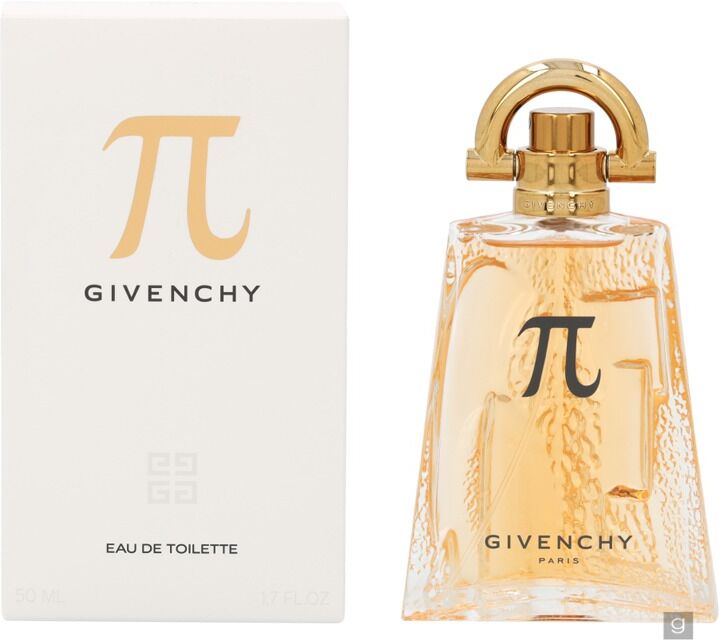
Givenchy Pi Eau de Toilette Spray 50mlA woody amber fragrance that combines a top note of benzoin that mixes perfectly with a heart note of guaiac to form the core of the fragrance, before finishing on a base note of mandarin to ground the fragrance.45,50 £*Shipping: 0,00 £Secure redirect to the provider
-
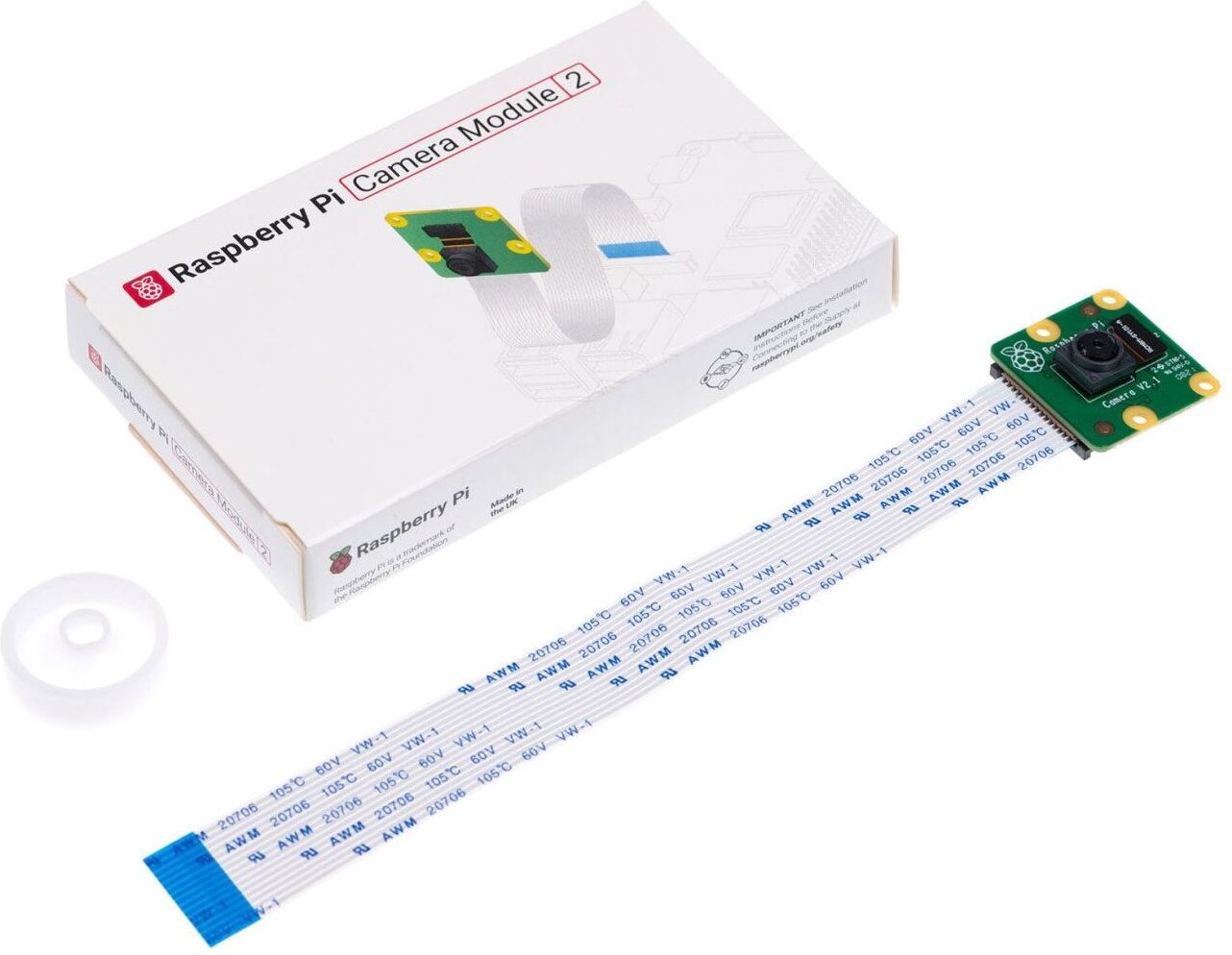
Raspberry Pi - Raspberry Camera Module V2, NewUnlock the full potential of your Raspberry Pi projects with the Raspberry Pi Camera Module V2 . This high-quality, 8-megapixel camera is designed to seamlessly integrate with all Raspberry Pi boards, making it perfect for photography, video recording, time-lapse projects, surveillance systems, and even machine learning applications. Built with the Sony IMX219 image sensor, the Camera Module V2 delivers crystal-clear images and smooth 1080p HD video, bringing professional-level performance to your DIY builds and tech experiments. ✅ 8MP Sony IMX219 Sensor – Capture high-resolution still images and full HD video with exceptional clarity. ✅ 1080p HD Video Recording – Record smooth video at 30fps, or go for 720p at 60fps for slow-motion shots. ✅ Raspberry Pi Compatible – Works with all Raspberry Pi models via the dedicated CSI interface. ✅ Compact & Lightweight Design – Perfect for embedded projects and portable applications. ✅ Infrared-Compatible Version Available – Ideal for night vision and low-light projects (with IR version). ✅ Wide Range of Applications – Great for home security, wildlife monitoring, facial recognition, and more. ✅ Plug-and-Play Setup – Easy connection and quick configuration using Raspberry Pi OS. ✅ Adjustable Focus – Customize image sharpness for your specific project needs. ✅ Broad Software Support – Compatible with Python, OpenCV, and various Pi camera libraries. ✅ Durable PCB Build – Designed for long-term use with reliable performance in DIY and professional environments. The Raspberry Pi Camera Module V2 is a must-have tool for any tech enthusiast, hobbyist, or developer looking to add high-quality imaging capabilities to their Raspberry Pi setup. Whether you're building a robot, home automation system, or video stream solution, this camera module delivers professional results in a tiny, versatile package.11,99 £*Shipping: 0,00 £Secure redirect to the provider
-
Why are intermolecular bonds generally weaker than covalent bonds?
Intermolecular bonds are generally weaker than covalent bonds because they involve interactions between molecules rather than within a single molecule. Covalent bonds involve the sharing of electrons between atoms, creating strong bonds within a molecule. In contrast, intermolecular bonds, such as hydrogen bonds or van der Waals forces, are weaker because they are based on temporary interactions between molecules, which can be easily broken. Additionally, intermolecular bonds are influenced by factors such as distance and orientation, further contributing to their weaker nature compared to covalent bonds. **
-
Why are intermolecular bonds typically weaker than covalent bonds?
Intermolecular bonds are typically weaker than covalent bonds because they involve interactions between molecules rather than within a single molecule. In intermolecular bonds, the attractive forces between molecules, such as van der Waals forces or hydrogen bonding, are weaker than the strong sharing of electrons in covalent bonds. Additionally, intermolecular bonds are more easily broken or disrupted by changes in temperature or pressure, leading to lower bond energies compared to covalent bonds. **
-
Why are intermolecular bonds generally weaker than electron pair bonds?
Intermolecular bonds are generally weaker than electron pair bonds because they involve interactions between molecules, which are larger and less localized than the interactions between atoms in a covalent bond. In intermolecular bonds, the attractive forces are typically weaker due to the larger distance between molecules and the lack of direct sharing of electrons. In contrast, electron pair bonds involve the sharing of electrons between atoms, leading to stronger and more localized bonding interactions. **
-
Why are polar bonds lower in energy than nonpolar bonds?
Polar bonds are lower in energy than nonpolar bonds because they involve the unequal sharing of electrons between two atoms with different electronegativities. This unequal sharing creates a dipole moment, which results in an attractive force between the partially positive and partially negative ends of the molecule. This electrostatic attraction lowers the overall energy of the molecule compared to nonpolar bonds, where electrons are shared equally. As a result, polar bonds are typically stronger and more stable than nonpolar bonds. **
* All prices are inclusive of VAT and, if applicable, plus shipping costs. The offer information is based on the details provided by the respective shop and is updated through automated processes. Real-time updates do not occur, so deviations can occur in individual cases. ** Note: Parts of this content were created by AI.