Buy passion-for-excellence.com ?
We are moving the project
passion-for-excellence.com .
Are you interested in purchasing the domain
passion-for-excellence.com ?
domain@kv-gmbh.de · 0541-91531010
Buy passion-for-excellence.com ?
What is a war of completely new quality?
A war of completely new quality refers to a conflict that involves unprecedented tactics, technologies, or strategies that have not been seen in previous wars. This could include the use of advanced weaponry, cyber warfare, or unconventional tactics that challenge traditional methods of combat. Such a war may also involve new actors, such as non-state actors or terrorist organizations, and could have global implications that extend beyond traditional battlefields. Overall, a war of completely new quality represents a shift in the nature of warfare and requires new approaches to address its complexities. **
What does readiness for war mean in World War I?
Readiness for war in World War I meant that countries were prepared both militarily and economically to engage in a large-scale conflict. This included having a well-trained and equipped military, a strong industrial base to produce weapons and supplies, and alliances with other countries to ensure support. It also involved developing strategies and plans for various scenarios and being able to mobilize troops and resources quickly when needed. Overall, readiness for war in World War I was about being fully prepared for the challenges and demands of a prolonged and devastating conflict. **
Similar search terms for War
Top-Angebote
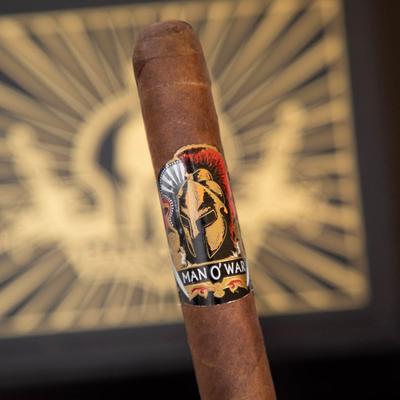
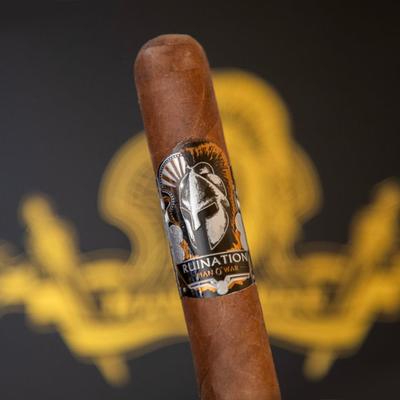
Products related to War:

-
Was the Korean War a proxy war or a civil war?
The Korean War was a proxy war, as it was fought between the communist-backed North Korea and the capitalist-backed South Korea, with support and involvement from other major powers such as the United States, China, and the Soviet Union. The conflict was not solely an internal struggle within Korea, but rather a larger geopolitical struggle between the two opposing ideologies of communism and capitalism. The involvement of outside powers and the global implications of the war make it more accurately described as a proxy war rather than a civil war. **
-
What does readiness for war mean in the First World War?
Readiness for war in the First World War meant being prepared for the massive scale and technological advancements of modern warfare. This included having a well-equipped and trained military, a strong industrial base to support the war effort, and a mobilized civilian population to contribute to the war economy. It also meant having alliances and strategic plans in place to effectively engage in the conflict. Overall, readiness for war in the First World War required a comprehensive and coordinated effort across all aspects of society and the military. **
-
Was the Vietnam War a turning point for the Cold War?
Yes, the Vietnam War was a turning point for the Cold War. The United States' involvement in Vietnam was a significant factor in shaping the Cold War dynamics. The war led to a shift in public opinion and a growing anti-war sentiment in the US, which ultimately weakened the US' position in the Cold War. Additionally, the Vietnam War strained US-Soviet relations and contributed to the Soviet Union's growing influence in the region. Overall, the Vietnam War had a profound impact on the trajectory of the Cold War. **
-
Why can I only play War Thunder with medium texture quality?
You may only be able to play War Thunder with medium texture quality due to the limitations of your computer's hardware. Higher texture quality requires more processing power and memory, so if your computer does not meet the recommended system requirements for the game, you may experience performance issues or be limited to lower texture settings. Upgrading your computer's hardware, such as the graphics card or RAM, could potentially allow you to play the game at higher texture quality settings. **
What are reasons for war?
Wars can be caused by a variety of reasons, including territorial disputes, resource competition, ideological differences, and power struggles. Economic factors such as trade routes, access to valuable resources, and control over strategic locations can also lead to conflicts. Additionally, historical grievances, ethnic or religious tensions, and the desire for independence or self-determination can all contribute to the outbreak of war. Ultimately, wars often result from a combination of these factors, as well as the actions and decisions of political leaders and governments. **
Is my introduction historically accurate for the Korean War and Cold War?
Your introduction is generally accurate in describing the Korean War as a conflict between North and South Korea, with the involvement of the United States and other Western powers on the side of South Korea, and China and the Soviet Union supporting North Korea. However, it could be more specific in mentioning that the Korean War was a result of the Cold War tensions between the communist and capitalist blocs, and that it was part of the broader struggle for influence and power between the United States and the Soviet Union. Additionally, it could also mention that the Korean War ended in an armistice in 1953, rather than a peace treaty, leaving the two Koreas technically still at war. **
Top-Angebote
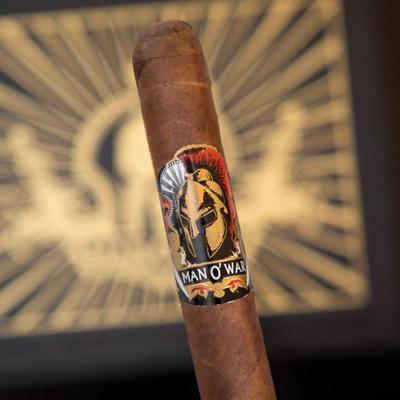
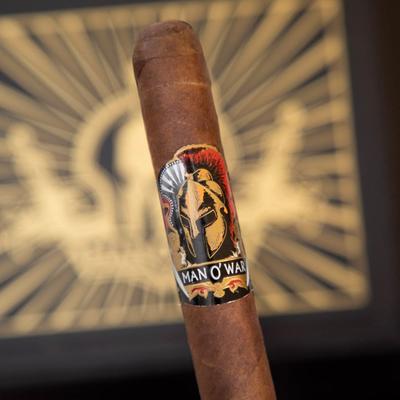
Products related to War:
-
What is a war of completely new quality?
A war of completely new quality refers to a conflict that involves unprecedented tactics, technologies, or strategies that have not been seen in previous wars. This could include the use of advanced weaponry, cyber warfare, or unconventional tactics that challenge traditional methods of combat. Such a war may also involve new actors, such as non-state actors or terrorist organizations, and could have global implications that extend beyond traditional battlefields. Overall, a war of completely new quality represents a shift in the nature of warfare and requires new approaches to address its complexities. **
-
What does readiness for war mean in World War I?
Readiness for war in World War I meant that countries were prepared both militarily and economically to engage in a large-scale conflict. This included having a well-trained and equipped military, a strong industrial base to produce weapons and supplies, and alliances with other countries to ensure support. It also involved developing strategies and plans for various scenarios and being able to mobilize troops and resources quickly when needed. Overall, readiness for war in World War I was about being fully prepared for the challenges and demands of a prolonged and devastating conflict. **
-
Was the Korean War a proxy war or a civil war?
The Korean War was a proxy war, as it was fought between the communist-backed North Korea and the capitalist-backed South Korea, with support and involvement from other major powers such as the United States, China, and the Soviet Union. The conflict was not solely an internal struggle within Korea, but rather a larger geopolitical struggle between the two opposing ideologies of communism and capitalism. The involvement of outside powers and the global implications of the war make it more accurately described as a proxy war rather than a civil war. **
-
What does readiness for war mean in the First World War?
Readiness for war in the First World War meant being prepared for the massive scale and technological advancements of modern warfare. This included having a well-equipped and trained military, a strong industrial base to support the war effort, and a mobilized civilian population to contribute to the war economy. It also meant having alliances and strategic plans in place to effectively engage in the conflict. Overall, readiness for war in the First World War required a comprehensive and coordinated effort across all aspects of society and the military. **
Similar search terms for War
-
Was the Vietnam War a turning point for the Cold War?
Yes, the Vietnam War was a turning point for the Cold War. The United States' involvement in Vietnam was a significant factor in shaping the Cold War dynamics. The war led to a shift in public opinion and a growing anti-war sentiment in the US, which ultimately weakened the US' position in the Cold War. Additionally, the Vietnam War strained US-Soviet relations and contributed to the Soviet Union's growing influence in the region. Overall, the Vietnam War had a profound impact on the trajectory of the Cold War. **
-
Why can I only play War Thunder with medium texture quality?
You may only be able to play War Thunder with medium texture quality due to the limitations of your computer's hardware. Higher texture quality requires more processing power and memory, so if your computer does not meet the recommended system requirements for the game, you may experience performance issues or be limited to lower texture settings. Upgrading your computer's hardware, such as the graphics card or RAM, could potentially allow you to play the game at higher texture quality settings. **
-
What are reasons for war?
Wars can be caused by a variety of reasons, including territorial disputes, resource competition, ideological differences, and power struggles. Economic factors such as trade routes, access to valuable resources, and control over strategic locations can also lead to conflicts. Additionally, historical grievances, ethnic or religious tensions, and the desire for independence or self-determination can all contribute to the outbreak of war. Ultimately, wars often result from a combination of these factors, as well as the actions and decisions of political leaders and governments. **
-
Is my introduction historically accurate for the Korean War and Cold War?
Your introduction is generally accurate in describing the Korean War as a conflict between North and South Korea, with the involvement of the United States and other Western powers on the side of South Korea, and China and the Soviet Union supporting North Korea. However, it could be more specific in mentioning that the Korean War was a result of the Cold War tensions between the communist and capitalist blocs, and that it was part of the broader struggle for influence and power between the United States and the Soviet Union. Additionally, it could also mention that the Korean War ended in an armistice in 1953, rather than a peace treaty, leaving the two Koreas technically still at war. **
* All prices are inclusive of VAT and, if applicable, plus shipping costs. The offer information is based on the details provided by the respective shop and is updated through automated processes. Real-time updates do not occur, so deviations can occur in individual cases. ** Note: Parts of this content were created by AI.